
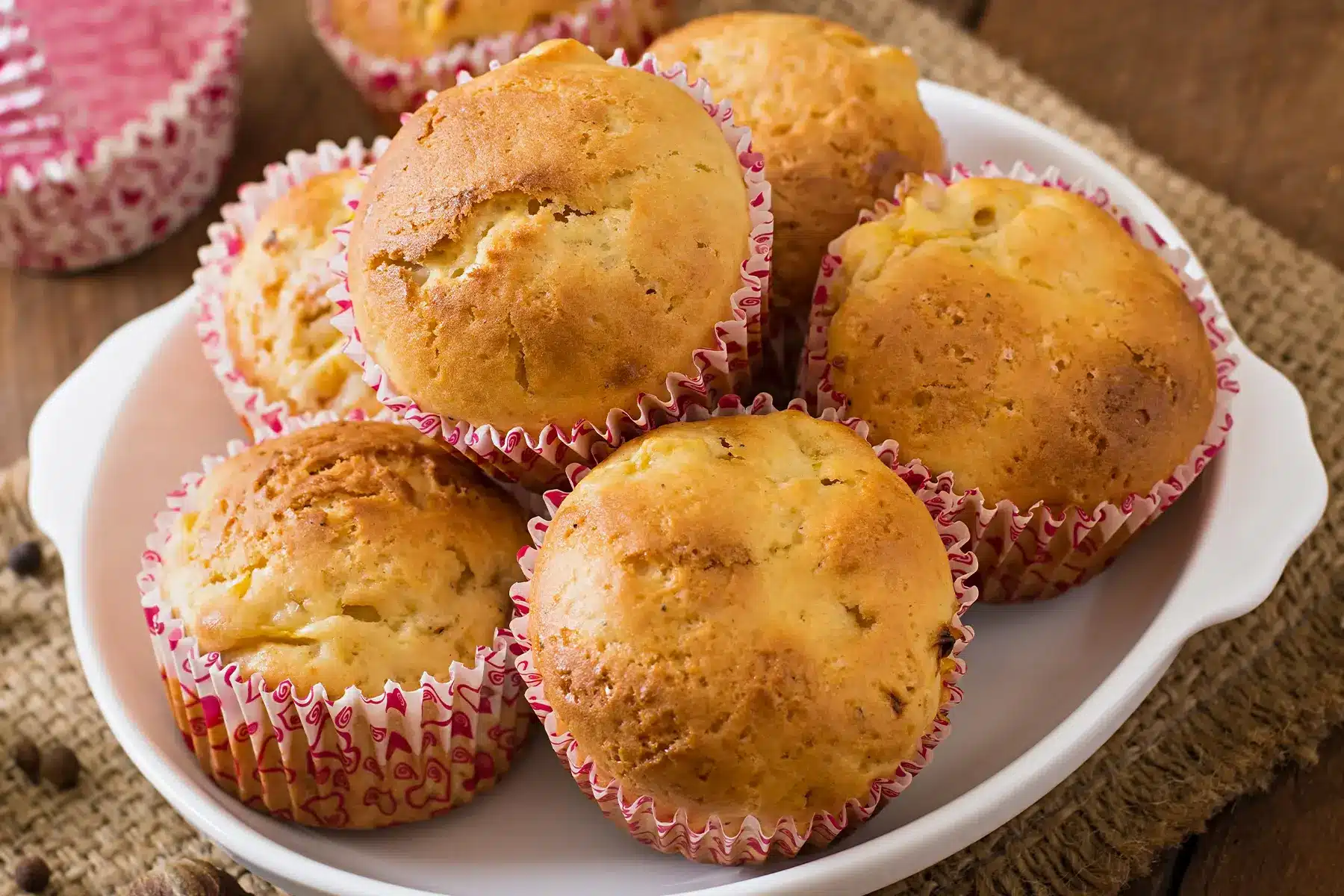
Baking is often described as a science, and for good reason. Unlike cooking, where improvisation and experimentation are encouraged, even minute mistakes in baking can lead to flatter cakes, more dense crumbs, uneven rise or very dry textures. Many home bakers assume failures are due to being unable to follow complicated recipes, but in reality, most cake mistakes come down to simple errors that can easily be avoided.
From incorrect measurement to oven temperature errors, understanding where things go wrong helps you bake with more confidence and consistency. Here are 12 of the most common baking mistakes, and how to avoid them.
1. Incorrect Measurements for Ingredients
One of the biggest causes of baking failure is incorrect measurements. Baking relies on using extremely precise ratios of flour, sugar, fat and leavening agents. Using even slightly more flour can result in a denser cake, while adding too much liquid can make the structure collapse.
How to avoid it:
- Use a digital kitchen scale whenever possible
- Spoon flour into measuring cups rather than scooping by eyeballing
- Level off all your dry ingredients carefully
Many common cake mistakes begin with inaccurate measuring, especially when eyeballing quantities.
2. Using the Wrong Flour Type
Whether you are a home baker or a professional, it is vital to keep in mind that not all flours behave the same way. Using bread flour instead of cake flour, for example, can lead to excessive gluten development and give your cake a tougher crumb.
Flours with lower-protein content produce softer textures, while stronger flours create more structure. Choosing the appropriate flour for your recipe is one of the easiest ways to improve results.
3. Overmixing the Batter
Once flour is added to a batter, overmixing activates gluten. This leads to tougher, rubbery cakes rather than light and fluffy ones.
Tip: Mix just until ingredients are combined. Gentle folding preserves air and helps prevent dense cake mistakes.
4. Not Preheating the Oven
Placing batter into an oven that hasn’t fully preheated can interfere with the rise. Leavening agents activate quickly, and inconsistent heat may cause uneven texture or collapse.
Always allow the oven to reach the required temperature before baking.
5. Opening the Oven Door Too Early
Peeking too soon is one of the most common cake mistakes. Sudden temperature drops can cause cakes to sink in the centre.
Wait until the cake has set around the edges before opening the door, usually after at least 70-75% of baking time has passed.
6. Expired or Incorrect Leavening Agents
Old baking powder or baking soda loses effectiveness. If your cake doesn’t rise properly, the issue may not be technique; it may be your ingredients.
Check expiry dates and store leavening agents in airtight containers.
7. Skipping Room Temperature Ingredients
Cold butter doesn’t cream properly. Cold eggs don’t emulsify evenly. These small temperature differences can lead to uneven batter and poor rise.
Let ingredients sit at room temperature for 20-30 minutes before baking.
8. Overbaking the Cake
Dry cakes are often simply overbaked cakes. Even a few extra minutes can remove too much moisture.
To avoid this:
- Check doneness slightly before the recommended time
- Insert a toothpick; it should come out with moist crumbs, not completely dry
Avoiding overbaking prevents some of the most frustrating cake mistakes.
9. Ignoring Pan Preparation
Improperly greased pans can cause sticking, tearing and uneven baking. Use parchment paper when possible and grease evenly.
Good preparation prevents structural damage after baking.
10. Using Low-Quality or Inconsistent Flour
Flour quality plays a significant role in baking performance. Variations in protein content and milling precision can affect hydration and gluten formation.
European milling traditions, such as those supported by initiatives like Pure Flour from Europe under the guidance of the Italian Milling Industry Association, emphasise controlled wheat selection and consistent protein profiles. This kind of precision ensures predictable structure and texture, especially in professional baking environments.
Consistency in flour helps eliminate unexpected cake mistakes tied to ingredient variability.
11. Not Allowing Cakes to Cool Properly
Removing a cake from its pan too early can cause breakage. Leaving it too long in a hot pan can cause overcooking from residual heat.
Let the cake rest briefly before transferring to a cooling rack.
12. Ignoring Humidity and Storage
Humidity affects flour moisture content and batter consistency. In particularly humid environments, flour can absorb ambient moisture, subtly altering results.
Store flour in airtight containers and keep it away from direct heat and moisture. Small environmental adjustments can prevent repeated baking errors.
Why Most Cake Mistakes Are Preventable
Many baking failures feel mysterious, but they usually trace back to fundamentals:
- Accurate measuring
- Proper mixing
- Ingredient quality
- Temperature control
The most frequent cake mistakes are rarely about complexity; they’re about consistency.
A Quick Checklist Before You Bake
Before placing your cake in the oven, ask yourself:
- Did I measure everything correctly?
- Are all my ingredients at room temperature?
- Is my oven sufficiently preheated?
- Am I using the right flour for my recipe?
- Are all my leavening agents fresh?
Ticking off these quick checks helps eliminatethe majority of common cake mistakes.
Final Thoughts
Baking is equal parts science and patience. Avoiding incorrect measurement, overmixing and poor temperature control can instantly elevate your results. By focusing on technique and ingredient quality, you transform baking from guesswork into a repeatable, reliable process.
Mistakes are part of learning, but with the right awareness, most cake mistakes can be avoided long before the batter even reaches the oven.