
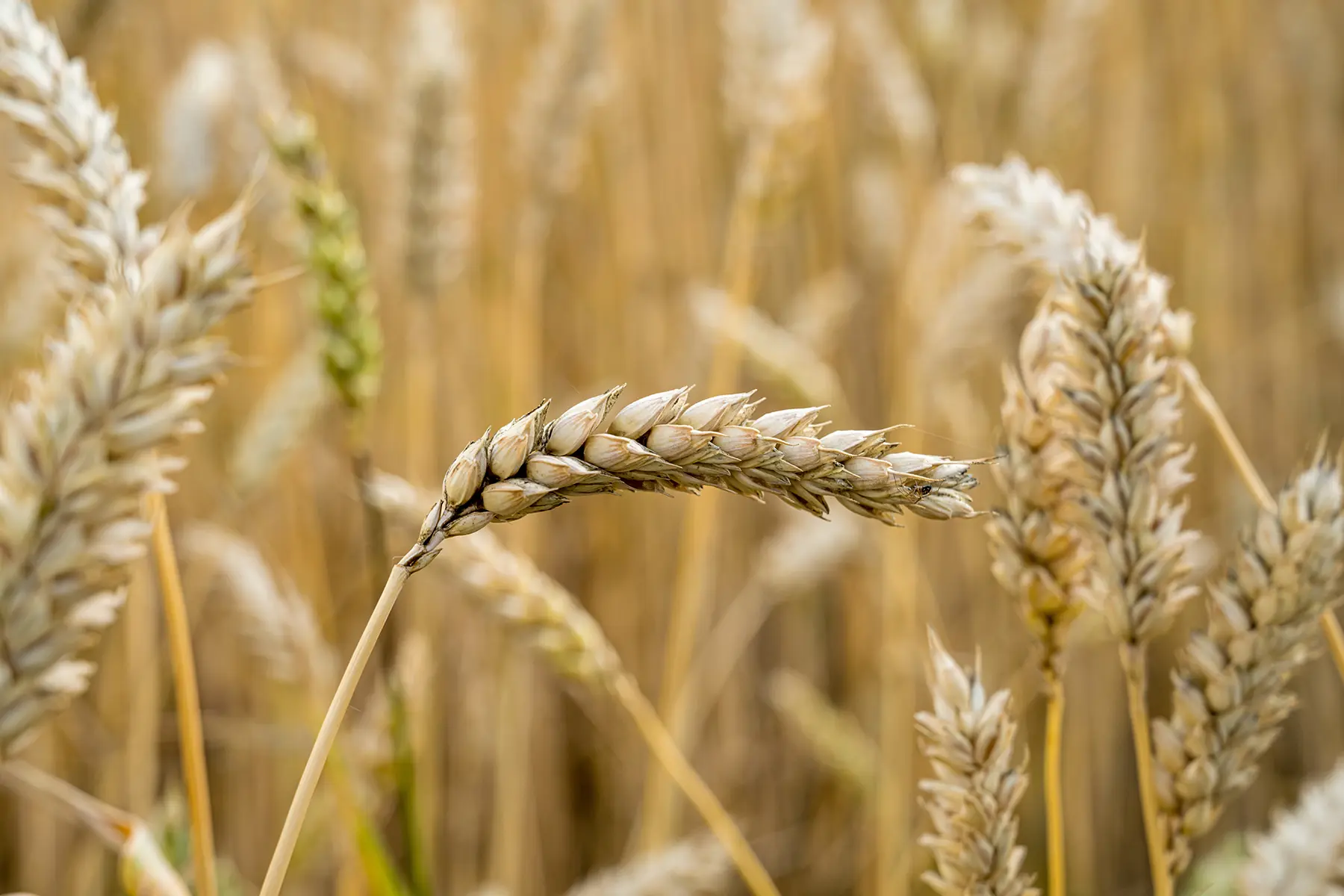
As more and more people become conscious about what goes into their food, the focus is, collectively, shifting from merely what is cooked to not only ingredients that go into meals, but also how they are grown and processed. One primary ingredient that has gained significant attention in recent years, because of this, is organic flour. Be it everyday meals to baked goods and traditional flour-based recipes, organic flours are increasingly becoming a staple in modern kitchens.
But what exactly makes organic flour different? Is it truly a healthier choice, or simply a fad that will fade away? And how do these different organic flours, from wheat or atta and ragi to rice and bajra, fit into the daily cooking process?
This guide breaks down precisely what organic flour is, why it really matters, and how to use various organic flours effectively in your kitchen.
What Is Organic Flour?
Organic flour is milled from grains that are grown entirely organically, i.e., without the use of any synthetic pesticides, chemical fertilisers or genetically modified organisms. From the process of cultivation to milling, organic standards are upheld with focus on soil health, crop rotation and natural farming methods.
When you choose organic wheat flour or other organic flours, you’re opting for food grains that are:
- Grown only using natural agricultural practices
- Processed without any chemical additives
- Minimally refined to preserve natural nutrients
The result is milled flour that reflects both the quality of the grain and the excessive care taken during farming and milling.
Why Organic Flour Is Gaining Popularity
The rising interest in organic flour is driven by a combination of health awareness and lifestyle changes. Consumers today are reading labels more carefully and paying closer attention to ingredient sourcing.
Here are some key reasons why organic flour is becoming a preferred choice for home cooks and professional chefs:
- Reduced exposure to chemical residues
- Greater transparency when sourcing grains
- Emphasis on traditional, less-processed foods
- Adhering sustainable and environmentally conscious practices
The common belief these days is that for many households, switching to organic atta flour or organic wheat flour feels like a small but meaningful step toward cleaner eating.
Organic Wheat Flour and Organic Atta Flour: Everyday Staples
In Indian kitchens especially, wheat flour is used daily, making the quality of this ingredient especially important.
Organic Wheat Flour
Organic wheat flour is milled from organically grown wheat and can be refined or whole wheat, depending on the milling process. It’s commonly used for:
- Baking breads and cakes
- Preparing dough-based snacks
- General cooking where wheat flour is required
Because the wheat is grown without any use of synthetic chemicals, organic wheat flour appeals to those looking for a more natural alternative.
Organic Atta Flour
Organic atta flour is whole wheat flour where the bran, germ and endosperm are retained. This makes it perfectly suitable for:
- Rotis and chapatis
- Parathas
- Daily flatbreads
Organic atta flour tends to absorb more water and produces soft, pliable dough, making it a trusted choice for everyday meals.
Beyond Wheat: Exploring Other Organic Flours
While wheat remains central to many diets, traditional Indian flours made from other grains are also seeing renewed interest in Indian kitchens.
Organic Ragi Flour
Organic ragi flour (also known as finger millet) is valued for its earthy flavour and versatility. It’s often used for making:
- Ragi rotis and dosas
- Porridges
- Baked snacks
Ragi has long been part of regional diets, and organic cultivation supports its traditional role in balanced meals.
Organic Rice Flour
Organic rice flour is commonly used in:
- South Indian snacks
- Steamed dishes
- Gluten-free recipes
Additionally, its light texture makes it suitable for both savoury and sweet preparations.
Organic Bajra Flour
Organic bajra flour (pearl millet) is robust and hearty, commonly used for:
- Bajra rotis
- Rustic flatbreads
- Traditional winter dishes
These flour types highlight the diversity of grains that can be part of a well-rounded kitchen.
Is Organic Flour Healthier?
While the nutritional values of organic and non-organic flours can be similar, the main difference lies in how the grains are grown and how they are processed.
Choosing organic flour may offer:
- A lower likelihood of chemical residues
- Flours that are less heavily processed
- Greater trust in ingredient sourcing
For many people, the perceived health benefit of organic flour comes from peace of mind and long-term dietary choices rather than dramatic nutritional differences.
How Organic Flour Performs in Cooking and Baking
One thing home cooks often notice is that organic flour can behave slightly differently in some recipes.
- Absorption: Organic atta and organic wheat flour may end up absorbing more water
- Texture: The dough it forms may feel slightly softer or more elastic
- Flavour: Some organic flours have a more pronounced grain taste
These differences, however, are not considered drawbacks, they simply require small adjustments in the process of hydration and handling.
Storage Tips for Organic Flour
Because organic flour is often less processed and free from preservatives, proper storage is important.
- Store in airtight containers
- Keep away from heat and moisture
- Use whole grain organic flours sooner, as they contain natural oils
Good storage helps maintain freshness and performance.
Quality, Milling and Standards Matter
Not all organic flour is the same. Grain quality, milling techniques and quality control play a crucial role in how flour performs.
European milling traditions, highlighted by initiatives such as Pure Flour from Europe, emphasise traceability, safety and consistency. Led by the Italian Milling Industry Association and co-funded by the European Union, the programme showcases how strict standards and careful milling contribute to reliable flour performance, whether organic or conventional.
This focus on quality reinforces why ingredient knowledge is just as important as the label itself.
Choosing the Right Organic Flour for Your Kitchen
To simplify:
- Use organic atta flour for daily rotis and flatbreads
- Choose organic wheat flour for baking and general cooking
- Explore organic ragi, rice and bajra flours for traditional and regional recipes
Organic flour works best when matched thoughtfully to the dish you’re preparing.
Final Thoughts: A Conscious Choice, One Meal at a Time
Organic flour isn’t about chasing trends or fads, but about making informed choices. Whether you’re switching to organic wheat flour for everyday use or incorporating organic ragi or bajra flour into traditional recipes, the focus remains on quality, transparency and mindful eating.
In the end, choosing organic flour is less about perfection and more about intention – selecting ingredients that align with how you want to cook, eat and nourish your household.