
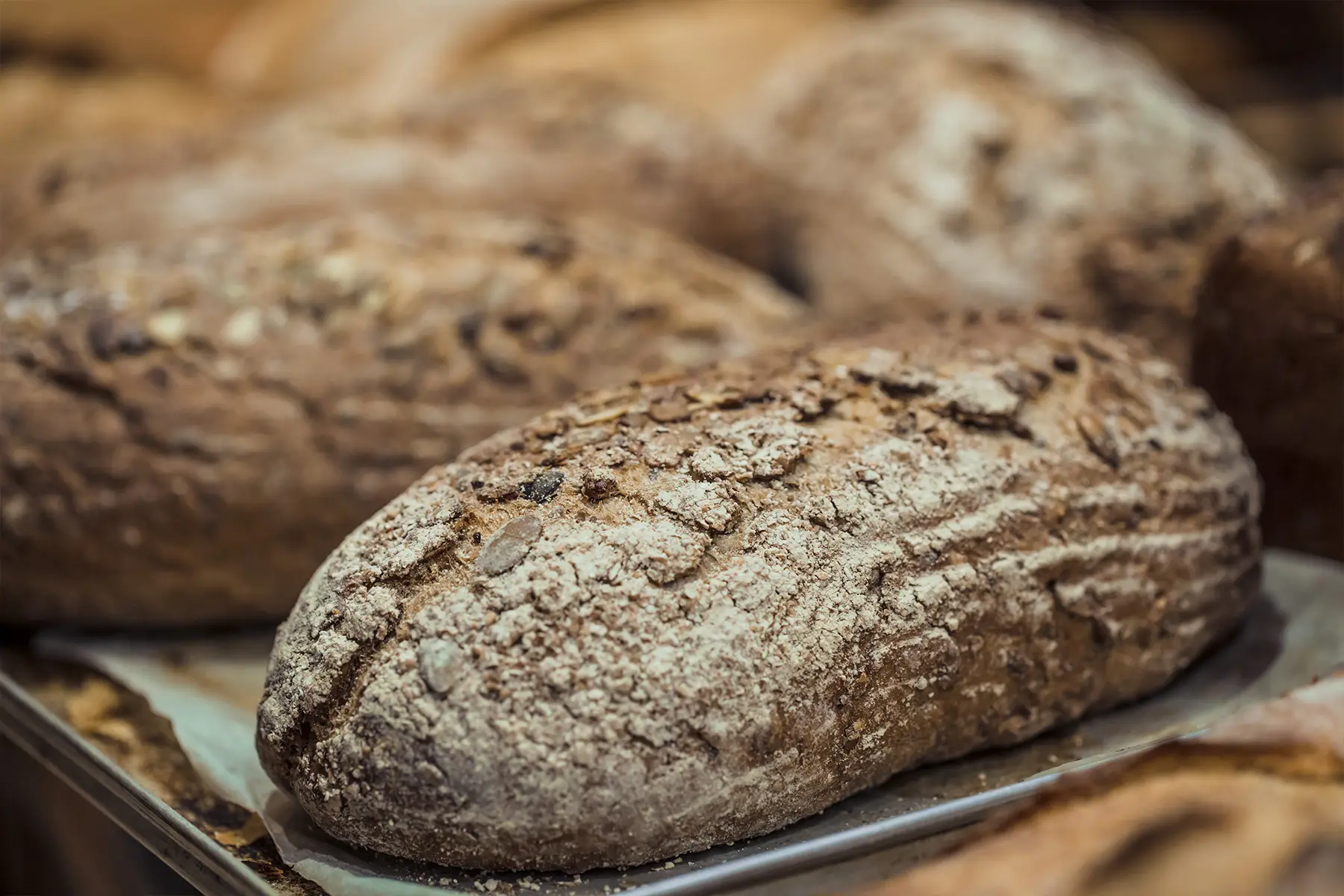
If you’ve ever baked bread that didn’t rise well or felt dense and heavy, the issue may not have been your recipe; it may have been your flour. Among the many flour options available today, bread flour is specifically designed to support structure, rise and texture in yeast-based baking. Yet many home cooks still wonder, ‘What is bread flour?’, how it differs from regular wheat flour, and when it should be used.
This guide explains what bread flour is, how it works, and why it plays such an important role in both everyday and artisanal bread baking. Whether you’re baking at home or working in a professional kitchen, understanding bread flour can significantly improve your results.
What Is Bread Flour?
To answer the most commonly asked question, ‘What is bread flour?’, it’s a wheat flour with a higher protein content than all-purpose or refined flour. Protein is key because it forms gluten when mixed with water and kneaded. Gluten gives dough elasticity and strength, allowing it to trap air released by yeast during fermentation.
Typically, bread flour contains:
- Higher protein (around 12-14%)
- Strong gluten-forming potential
- Good water absorption
These qualities make bread flour ideal for recipes where dough needs to rise, stretch and hold its shape.
Why Bread Flour Is Different from Regular Wheat Flour
Not all wheat flours behave the same way. Standard wheat flour or all-purpose flour has moderate protein levels, making it versatile but not always strong enough for bread.
In wheat flour bread recipes, using regular flour often leads to:
- Less rise
- Softer structure
- A tighter or crumbly texture
Bread flour, on the other hand, supports:
- Better fermentation
- Stronger dough structure
- Chewier crumb and better volume
This difference is especially noticeable in sandwich loaves, rolls and artisan breads.
How Gluten Makes Bread Flour Work
The defining feature of bread flour is gluten development. When flour is hydrated and kneaded, protein strands link together to form gluten. This elastic network traps gas released by yeast, allowing bread to rise.
With bread flour:
- Gluten forms more easily
- Dough becomes elastic and resilient
- Loaves maintain structure during baking
This is why professional bakers rely on bread flour for consistent results, especially in high-hydration or long-fermentation doughs.
Common Uses of Bread Flour
Bread flour is best suited for recipes where strength and rise matter.
1. Yeast Breads
Sandwich loaves, rolls, buns and artisan breads benefit from bread flour’s structure.
2. Pizza Dough
Many bakers use bread flour for pizza dough when they want chew and durability, particularly for longer fermentation.
3. Rustic and Artisan Breads
Sourdough and country-style loaves rely on strong gluten networks for open crumb and good oven spring.
These applications highlight why bread flour is considered essential for serious bread baking.
Types of Bread Flour
There isn’t just one kind of bread flour. Understanding the different types helps you choose the right one.
White Bread Flour
Made from refined wheat, white bread flour produces lighter-coloured loaves with a clean flavour and soft interior.
Whole Wheat Bread Flour
Whole wheat bread flour includes the bran and germ of the wheat grain. It has:
- Higher fibre
- Denser texture
- More pronounced wheat flavour
It’s often blended with white bread flour to balance nutrition and texture.
Gluten-Free Bread Flour
Gluten-free bread flour is designed for people avoiding gluten. It’s typically a blend of alternative flours and starches that mimic gluten’s structure.
While it behaves differently from wheat-based bread flour, it allows for bread-like results without gluten.
Bread Flour vs All-Purpose Flour
A common question is whether bread flour can be replaced with all-purpose flour. While substitution is possible, results will vary.
- Bread flour → stronger rise, chewier texture
- All-purpose flour → softer, less structured crumb
For recipes where structure is critical, bread flour remains the better choice. For casual or quick bakes, all-purpose flour may still work.
Tips for Baking with Bread Flour
To get the best results when using bread flour, keep these tips in mind:
- Hydrate adequately: Bread flour absorbs more water
- Knead properly: Gluten needs development to work
- Allow fermentation time: Structure improves with rest
- Avoid over-flouring: Too much dry flour can stiffen dough
These small adjustments help bread flour perform at its best.
Can Bread Flour Be Used for Other Baking?
Bread flour isn’t limited to bread alone, but it’s not ideal for everything.
It works well for:
- Pizza dough
- Pretzels
- Bagels
It’s less suitable for:
- Cakes
- Pastries
- Biscuits
For softer baked goods, lower-protein flours are usually a better choice.
Is Bread Flour Right for You?
Choose bread flour if:
- You bake bread regularly
- You want a better rise and chew
- You work with yeast-based doughs
Avoid it if:
- You’re baking delicate cakes
- You want a very tender crumb
Understanding what bread flour is helps you use it intentionally rather than by guesswork.
Bread Flour and European Milling Standards
Flour quality isn’t only about protein content – but precision in milling techniques, wheat selection and quality control also matter.
European milling traditions, highlighted by initiatives such as Pure Flour from Europe, emphasise consistency, food safety and traceability. Led by the Italian Milling Industry Association and co-funded by the European Union, the programme showcases how carefully milled flours deliver predictable performance in professional kitchens.
This consistency is particularly important for bread flour, where small variations can affect fermentation and texture.
Final Thoughts: Structure Starts with Flour
Bread flour is not just another pantry staple; it’s a functional ingredient designed to support structure, rise and texture. From everyday loaves to artisan breads and pizza doughs, it provides the strength that many recipes rely on.
Whether you’re baking wheat flour bread, experimenting with whole wheat or exploring gluten-free bread flour options, choosing the right flour is one of the most important decisions in baking.
When you understand how bread flour works, better bread follows naturally.