
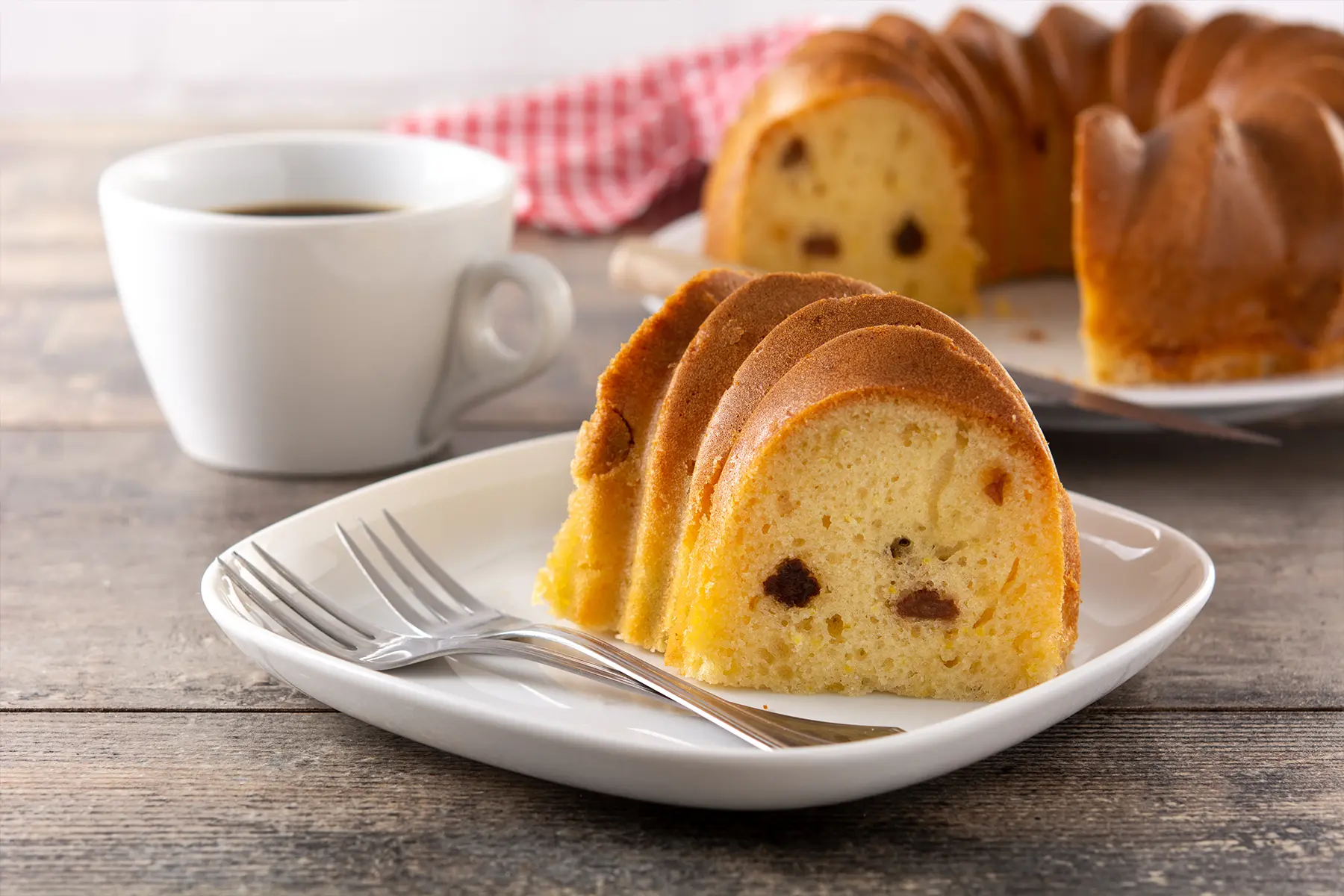
If you are a baker, be it amateur or professional, there’s nothing quite like a perfectly risen, fluffy, moist and tender cake fresh from the oven, be it a celebration or just your sweet tooth asking for more. But getting that decadent moist texture, delicate crumb and even rise can sometimes feel tricky, especially when home bakes turn out dry, dense or flat.
Comprehending what makes a cake moist and fluffy, starting from ingredients and technique, to which flour to choose, is the first step to take towards achieving consistently great results.
In this practical guide, we’ve gathered expert tips that walk you through each part of the process, making it easier to bake cakes that are soft, light and beautifully textured every time.
1. Use the Right Flour (It Matters More Than You Think)
One of the key answers to what makes cake fluffy lies in your choice of flour. Different flours behave differently: cake flour and well-milled all-purpose flour produce lighter crumbs compared to high-protein bread flours. That’s because lower protein content forms less gluten, which keeps the texture tender rather than chewy.
This is also a great example of why you should choose the right flour, because it directly affects texture, structure and mouthfeel.
2. Measure Ingredients Accurately
Precision matters in baking. Too much flour or sugar can throw off the moisture balance. Using a kitchen scale, rather than guessing by volume, ensures your cake batter has the correct proportions that help it remain tender and moist.
3. Don’t Overmix the Batter
Once you add flour, mix just until ingredients are combined. Overmixing develops gluten, which makes the crumb tougher and heavier. Gentle folding helps you retain air bubbles, contributing to softness, a central factor in how to make a cake fluffier.
4. Room Temperature Ingredients Perform Better
Butter, eggs and milk mix more evenly when they’re at room temperature. Cold ingredients can cause uneven batter, which affects how gas is trapped during baking, interfering with rise and texture. For truly tender results, always let refrigerated ingredients rest before use.
5. Use the Right Leavening Agents
Baking powder and baking soda produce tiny gas bubbles that expand in the oven, lifting the batter. Too much leavening can make the cake peak and collapse; too little results in a dense cake. Following the recipe or understanding equivalent ratios helps prevent texture issues, directly answering what makes cake fluffy.
6. Cream Butter and Sugar Properly
Creaming butter and sugar together until light and pale introduces air into the batter. These micro air pockets expand during baking, helping your cake rise evenly and stay soft. This step is especially important when aiming for cakes that are not just moist but also airy.
7. Hydrate the Batter Well
Liquid ingredients, like milk, buttermilk or oil, affect what makes a cake moist and fluffy. Buttermilk, yoghurt, or sour cream add acidity and moisture while strengthening structure. Adding a little extra liquid (within reason) can help tenderize crumb and retain moisture.
8. Fold Add-Ins Gently
If you’re adding fruit, nuts or chocolate, fold them in gently after the batter is mixed. Heavy stirring at this stage knocks out air and compresses the batter, leading to denser results.
9. Preheat the Oven and Bake Consistently
A well-heated oven is critical. If the batter sits while your oven warms up, rising power is lost. Preheat early and ensure consistent heat throughout baking. An oven thermometer helps you confirm that the temperature is accurate, especially a useful trick when you’re trying to make a cake fluffier every time.
10. Don’t Overbake -Keep It Moist
Nothing dries a cake faster than overbaking. An inserted toothpick should come out with a few moist crumbs, not dry. Because ingredients continue to set as the cake cools, pulling it out at the right moment ensures it stays moist and tender.
11. Cool Correctly, But Not Too Fast
After removing the cake from the oven, let it cool in the pan briefly before transferring to a wire rack. Cooling too quickly or in a hot tin can trap steam or create soggy layers, affecting texture. Slow and steady cooling helps maintain internal moisture.
12. Learn from Each Bake
Baking is as much science as art. If a cake turns out too dense or lacks tenderness, consider:
- Did you use the right flour?
- Was your batter mixed gently?
- Was the oven temperature accurate?
Understanding these factors, especially what makes cake fluffy, helps you quickly adjust your next bake for better results.
Why Flour Choice Never Goes Out of Style
From all the tips above, one constant stands out: why you should choose the right flour. The flour used in any recipe defines structure and texture before any other ingredient even gets added to the mix. Soft flours with lower protein content help create tender crumbs, while stronger flours create more gluten, ideal for chewy breads but less so for soft cakes.
This is also how bakers often differentiate between cake flour and general wheat flours. If you want truly light, spongy cakes, your flour selection should be among the top considerations (before you even crack an egg!).
Summary: How to Make a Cake Truly Moist and Fluffy
To recap, here’s what makes a cake moist and fluffy:
- Most important – choose the right flour
- Make sure measurements are accurate
- Be gentle during the mixing process
- Ensure proper leavening
- Control all important factors while baking
- Cool the cake correctly
Each one of these steps contributes to the final texture, and when you get them right, how to make a cake fluffier ceases to be a mystery. Instead, it becomes a repeatable skill.
Final Thoughts
Once you enter the baking game, remember that baking cakes that consistently turn out moist, fluffy and delicious isn’t always about luck; rather, it’s about understanding technique, the behaviour of your ingredients and timing. From what makes a cake moist and fluffy to following the best practices in mixing, measuring and baking – mastering these expert tips ensures every home baker’s success.
So the next time you whip out those baking mitts, remember, soft, tender and perfectly fluffy cakes are achieved when good ingredients, smart technique and enough knowledge come together to back every step.