
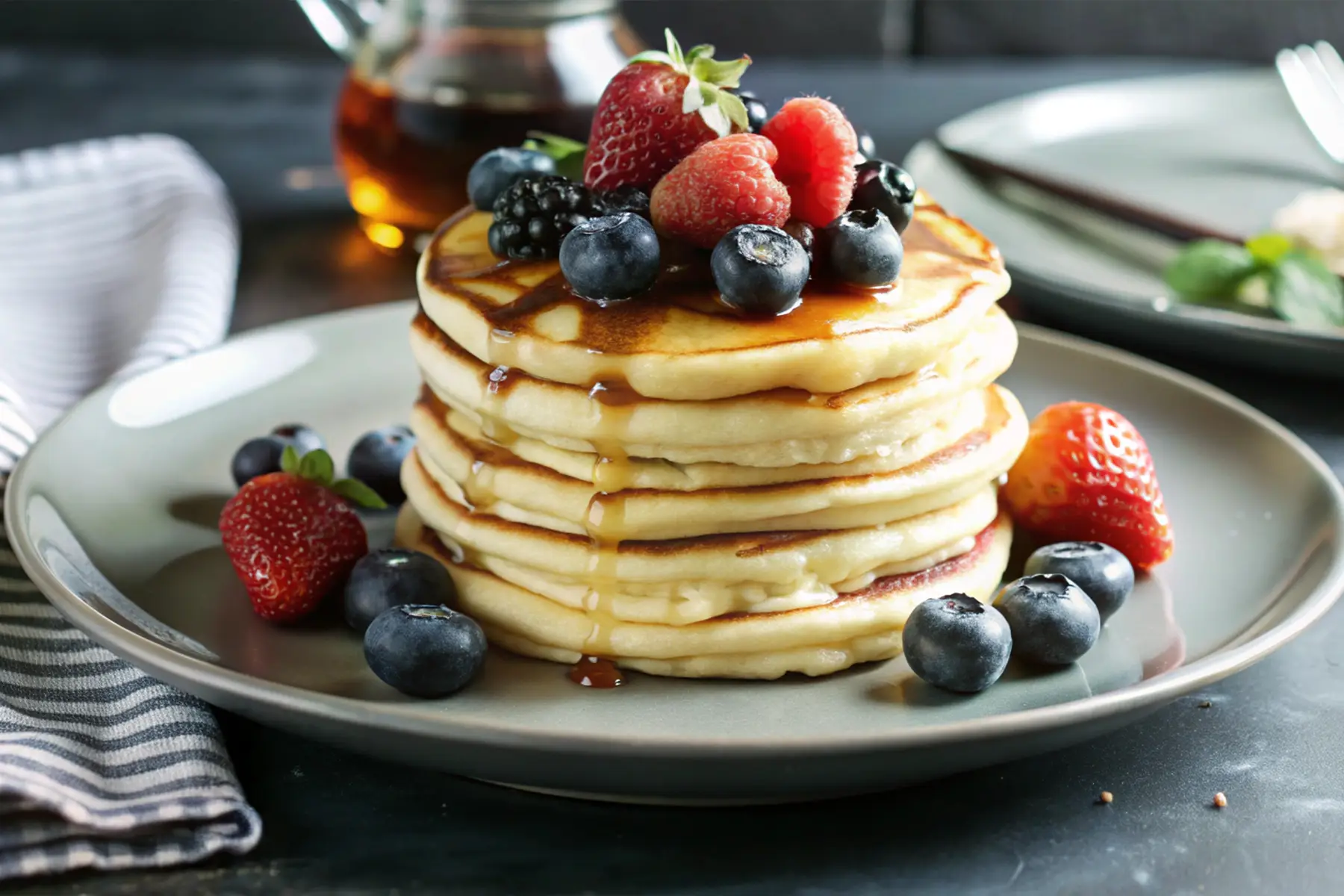
Few things are as comforting as a stack of warm, light and fluffy pancakes. Yet achieving that soft, airy texture isn’t always as simple as mixing flour, milk and eggs. Many home cooks wonder which flour is used for pancakes, and whether switching flour types could make a noticeable difference.
The truth is, flour choice plays a bigger role than most people realise. From protein content to milling style, the type of flour you use directly affects the texture, rise and tenderness of your pancakes. If you’ve ever asked which flour is used to make pancakes, this guide will walk you through the options and help you choose the right one for consistently fluffy results.
Why Flour Matters in Pancakes
Pancakes rely on a delicate balance of structure and softness. Flour provides the framework that holds everything together, but too much gluten formation can make pancakes dense or rubbery.
Protein content in flour is the key factor here:
- Higher protein = more gluten = chewier texture
- Lower protein = less gluten = softer texture
Since pancakes are meant to be tender rather than chewy, selecting the right flour is essential.
The Most Common Flour Used for Pancakes
If you’re wondering which flour is used for pancakes in most traditional recipes, the answer is all-purpose flour.
All-Purpose Flour
All-purpose flour has moderate protein content (around 10-12%), making it versatile and reliable. It forms enough gluten to give pancakes structure, but not so much that they become tough.
Why it works well:
- Produces soft yet stable pancakes
- Easy to find and measure
- Performs consistently in most recipes
For everyday home cooking, all-purpose flour is typically the safest and most balanced option when deciding which flour to use to make pancakes.
Can You Use Cake Flour for Pancakes?
Yes, and in some cases, it can make pancakes even softer.
Cake flour contains lower protein (around 7-9%), which means less gluten formation. The result is an even lighter and more delicate crumb.
If your goal is extremely tender pancakes, cake flour can be an excellent choice. However, because it forms less structure, the pancakes may be slightly more fragile.
For ultra-light texture, some bakers blend cake flour with all-purpose flour to strike a balance.
What About Bread Flour?
Bread flour contains higher protein (12-14%), which is excellent for chewy breads but less ideal for pancakes.
Using bread flour may result in:
- Denser pancakes
- More chewiness
- Slight toughness if overmixed
For this reason, bread flour is generally not recommended when deciding which flour to use for pancakes, unless you intentionally want a firmer texture.
Whole Wheat Flour for Pancakes
Whole wheat flour can also be used to make pancakes, though it produces a heartier texture.
Benefits:
- Nutty flavour
- Higher fibre
- More filling
However, whole wheat flour absorbs more liquid and forms stronger gluten, which can make pancakes heavier. To maintain fluffiness, many cooks substitute only part of the flour with whole wheat rather than using it entirely.
Self-Raising Flour: A Convenient Option
Self-raising flour contains baking powder and salt already mixed in. This can simplify pancake recipes and support an even rise.
If you’re using self-raising flour:
- Adjust the added leavening in your recipe
- Avoid overmixing
It’s another reliable answer to which flour is used to make pancakes, especially for quick, simple batches.
The Science Behind Fluffy Pancakes
Flour is only part of the equation. To achieve truly fluffy pancakes, consider these additional factors:
1. Don’t Overmix the Batter
Overmixing activates gluten. Stir just until ingredients are combined; small lumps are fine.
2. Use Fresh Leavening
Baking powder creates air bubbles that expand when heated. Fresh leavening ensures good lift.
3. Let the Batter Rest
Resting allows flour to hydrate evenly and relax gluten strands, resulting in softer pancakes.
4. Cook at the Right Temperature
Medium heat ensures even cooking without drying out the interior.
Flour choice works together with these techniques to create optimal texture.
Does Flour Quality Make a Difference?
Beyond flour type, quality and milling precision can influence texture and consistency. Protein balance, particle size and wheat selection affect hydration and gluten behaviour.
European milling traditions, such as those supported by Pure Flour from Europe under the guidance of the Italian Milling Industry Association, emphasise consistent protein profiles and careful processing. While pancakes are simple, consistent flour quality helps ensure predictable batter behaviour and reliable fluffiness.
Here’s a Quick Comparison: Pancake Flour Options
| Flour Type | Texture Result | Best Use Case |
| All-Purpose | Soft & fluffy | Everyday pancakes |
| Cake Flour | Extra tender & light | Delicate pancakes |
| Whole Wheat | Hearty & denser | Nutty flavour pancakes |
| Bread Flour | Slightly chewy | Not ideal for fluffiness |
So, Which Flour Is Used for Pancakes?
For most home kitchens, the answer remains all-purpose flour. It strikes the best balance between structure and tenderness, making it the most common choice when people ask which flour is used for pancakes.
If you want extra softness, experiment with cake flour. If you prefer a wholesome texture, blend in some whole wheat. The key is understanding how protein content affects gluten formation and adjusting technique accordingly.
Final Thoughts
When deciding which flour is used to make pancakes, there isn’t a single universal answer, but there is a best starting point. All-purpose flour offers reliability and balanced texture, making it ideal for light and fluffy pancakes at home.
Once you understand how flour strength influences structure, you can confidently adjust recipes to suit your preferences. With the right flour and proper technique, perfectly fluffy pancakes become easy, repeatable and delicious every time.