
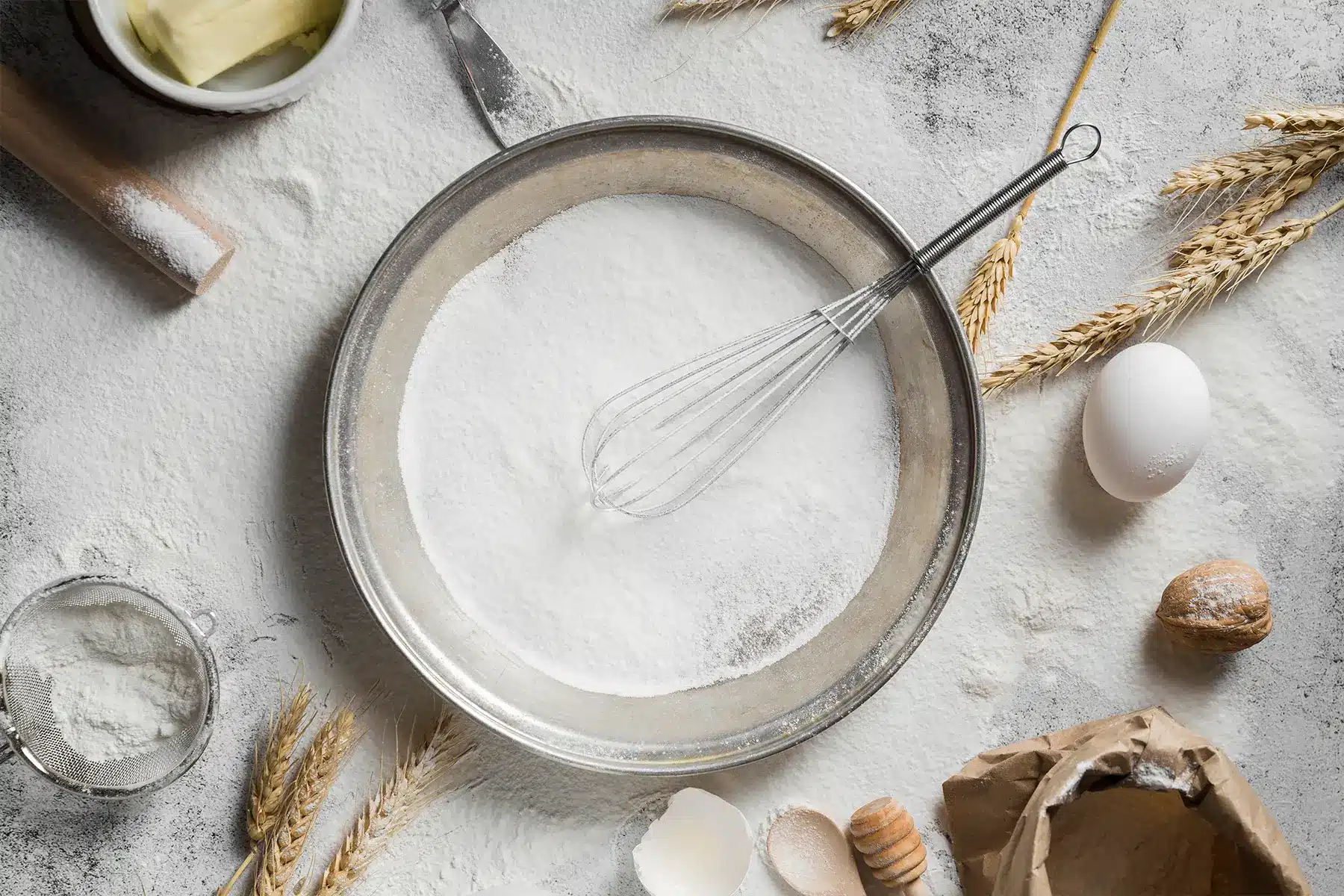
Pancakes are now a common breakfast option in many Indian homes, and choosing the right flour is one of the most important decisions you make before you even heat the pan. The two most common choices are whole wheat flour (atta) and refined flour (maida). Both make pancakes, but they work differently and produce different results in texture, taste, and nutrition.
This article breaks down how each flour behaves in pancake batter, what the nutritional differences are, and which option makes the most sense depending on what you are looking for.
What Happens When You Use Whole Wheat Flour for Pancakes?
Whole wheat flour produces pancakes that are denser and darker than refined flour pancakes. They have a slightly nutty flavour, are more filling, and hold together well in the pan.
Whole wheat flour is made from the entire wheat grain: the bran, the germ, and the endosperm. The bran is the coarse outer layer, and it plays a key role in how the batter behaves. According to peer-reviewed food science research, bran particles compete with flour proteins for water during mixing. This limits how much gluten can form. For pancakes, a weaker gluten network is actually useful. It keeps the texture tender rather than chewy or rubbery.
Another practical benefit is that whole wheat batter is more forgiving. Overmixing refined flour batter can make pancakes flat and tough because too much gluten forms. With whole wheat flour, the bran naturally limits this, so the batter tolerates more stirring without the same risk.
To understand the full difference at the milling level, this guide on the difference between wheat flour and whole wheat flour covers it clearly.
What About Refined Flour Pancakes?
Refined flour is milled from only the endosperm of the wheat grain. The bran and germ are removed, leaving a fine, white flour with a neutral flavour and a higher concentration of gluten-forming proteins.
This is why refined flour pancakes are lighter and airier. Without the bran interrupting gluten development, the network forms more easily. The batter spreads evenly on the pan, the pancake rises well, and the texture is soft with a golden surface. The flavour is neutral, which works well when you want toppings like honey, fruit, or syrup to come through clearly.
The downside is nutrition. Removing the bran and germ removes most of the fibre, minerals, and B vitamins. Some refined flours are fortified after milling, but not all nutrients are fully restored.
For bakers who prioritise texture and a classic pancake result, a good quality refined flour performs consistently. European wheat flour, produced under strict milling standards, gives reliable performance across batches. For more context on which flour type fits which use case, this guide on different types of flour and how to use them is a practical reference.
Which Flour Has More Nutrients?
Whole wheat flour is considerably more nutritious than refined flour. The nutritional differences are significant, not marginal.
According to data from the European Commission’s Health Promotion Knowledge Gateway, which references USDA nutritional data, whole grain wheat flour contains 10.7g of fibre per 100g compared to 2.7g in white wheat flour. It also provides 137mg of magnesium versus 22mg, 363mg of potassium versus 107mg, 3.6mg of iron versus 1.2mg, and more than twice the amount of protein (13.2g versus 10.3g).
A 2024 study published by the American Society for Nutrition, carried out by researchers at the University of California, San Francisco, found that major minerals were reduced by nearly three-quarters in refined flour compared to whole wheat. The researchers noted that this reduction happens at the milling stage and cannot be fully recovered through fortification.
The Harvard T.H. Chan School of Public Health explains that the fibre in whole grains slows how quickly starch converts to glucose in the body. This results in a more gradual rise in blood sugar rather than a sharp spike. For people eating pancakes regularly as a breakfast meal, this has real long-term health implications.
More details on how European wheat flour compares nutritionally are available on the nutritional properties page.
Do Whole Wheat Pancakes Taste Good?
Whole wheat pancakes taste different from refined flour pancakes, but when prepared correctly, they can still be fluffy, soft, and very enjoyable.
The flavour is earthier and nuttier than refined flour. This works well with toppings like banana, honey, or jaggery. Some home bakers find the flavour more satisfying than a plain refined flour pancake. The texture, when made with the right technique, is not significantly heavier than a standard pancake.
Technique matters here. King Arthur Baking, a widely referenced authority on flour science, recommends letting whole wheat pancake batter rest for 30 minutes before cooking. This allows the bran to absorb the liquid in the batter, which improves texture and prevents the pancake from spreading too thin on the pan. A shorter rest of 10 to 15 minutes also helps if you are short on time.
As with any pancake batter, avoid overmixing. Stir until the flour is just combined. Lumps in the batter are normal and do not affect the final result.
Is Mixing Both Flours a Good Idea?
Yes. A blend of whole wheat and refined flour is the most practical approach for most home bakers, and it is widely used by professional bakers as well.
A 50/50 blend keeps the pancake light enough to have a soft, airy texture while adding fibre, minerals, and more flavour than refined flour alone. You get a golden surface, a tender crumb, and a result that is both more nutritious and still enjoyable as a breakfast.
For families or households where some members prefer the classic fluffy texture, starting with a 70/30 split (70% refined, 30% whole wheat) is a lower-commitment way to begin. You can move toward 50/50 once you are comfortable with the slightly denser result.
For more details on flour choices for pancakes specifically, this article on what flour works best for light and fluffy pancakes goes deeper into the options. The basic pancake recipe from the Pure Flour from Europe kitchen is also a good recipe to test your flour choice with.
How to Store Whole Wheat Flour Correctly
Whole wheat flour has a shorter shelf life than refined flour, and using stale whole wheat flour is one of the most common reasons pancakes taste bitter.
The issue is the wheat germ. Whole wheat flour retains the germ, which contains natural oils. When these oils are exposed to air and warmth over time, they oxidise, and the flour develops a bitter flavour. Refined flour, with the germ removed, does not have this problem and can be stored at room temperature for much longer.
In Indian kitchens, where heat and humidity can speed up this process, the best approach is to store whole wheat flour in an airtight container in the refrigerator. For bulk purchases, the freezer works well. Flour stored this way stays fresh for several months.
Before using refrigerated flour, let it come to room temperature first. Cold flour can affect how the batter comes together.
Fresh whole wheat flour has a mild, slightly nutty smell. If your flour smells sharp, sour, or has no smell at all, it is likely past its best.
Which Flour Should You Use?
The answer depends on what you want from your pancakes.
If texture is the priority and you want the lightest, airiest result, refined flour is the better choice. If nutrition matters more and you are comfortable with a slightly denser, more filling pancake, whole wheat flour is the right option. If you want a balance of both, a 50/50 blend is the most practical and flexible approach.
Beyond the flour type, the quality of the flour itself affects the result. European wheat flour, milled to consistent standards, gives better and more predictable results than inconsistently processed flour. Whether you choose whole wheat, refined, or a blend, starting with a quality flour gives your pancakes a more reliable foundation.
Use the guide to choose the right flour for your recipe to find the right option for your kitchen.
Frequently Asked Questions
Can I replace maida with atta 1:1 in a pancake recipe?
You can substitute whole wheat flour for refined flour in equal amounts, but the batter will likely be thicker because whole wheat absorbs more liquid. Add a small amount of extra milk or water to adjust the consistency. Let the batter rest for 20 to 30 minutes before cooking, as recommended by King Arthur Baking, to allow the bran to hydrate properly. This helps the pancakes spread evenly on the pan.
Do whole wheat pancakes rise the same way as refined flour pancakes?
Whole wheat pancakes rise but produce a slightly denser crumb. As explained in peer-reviewed flour research, bran particles limit gluten formation, which reduces how much the pancake puffs up compared to a refined flour version. Using enough baking powder and allowing the batter to rest will improve the rise. Do not skip the leavening agent.
Is whole wheat flour better for kids’ pancakes?
Nutritionally, yes. Based on European Commission data, whole wheat flour has nearly four times more fibre, more than six times more magnesium, and three times more iron than white wheat flour. It also leads to a slower, steadier rise in blood sugar, according to the Harvard T.H. Chan School of Public Health. A 50/50 blend with refined flour keeps the texture familiar while improving the nutritional profile.
Why do my whole wheat pancakes taste bitter?
Bitter-tasting whole wheat pancakes are almost always caused by flour that has gone stale. The wheat germ in whole wheat flour contains natural oils that oxidise when exposed to air and heat over time. This produces a bitter flavour. Store whole wheat flour in an airtight container in the refrigerator or freezer, and check the expiry date before using it. Fresh flour should smell mild and slightly nutty.
Which flour is better for a weekend brunch with guests?
A 50/50 blend of whole wheat and refined flour is a reliable choice for brunch. It produces pancakes that are light in texture with a slightly more complex flavour than pure refined flour. If guests prefer a very light, classic pancake, use refined flour. For guidance on matching flour to the result you want, the guide to choosing flour for your recipe covers this clearly.