
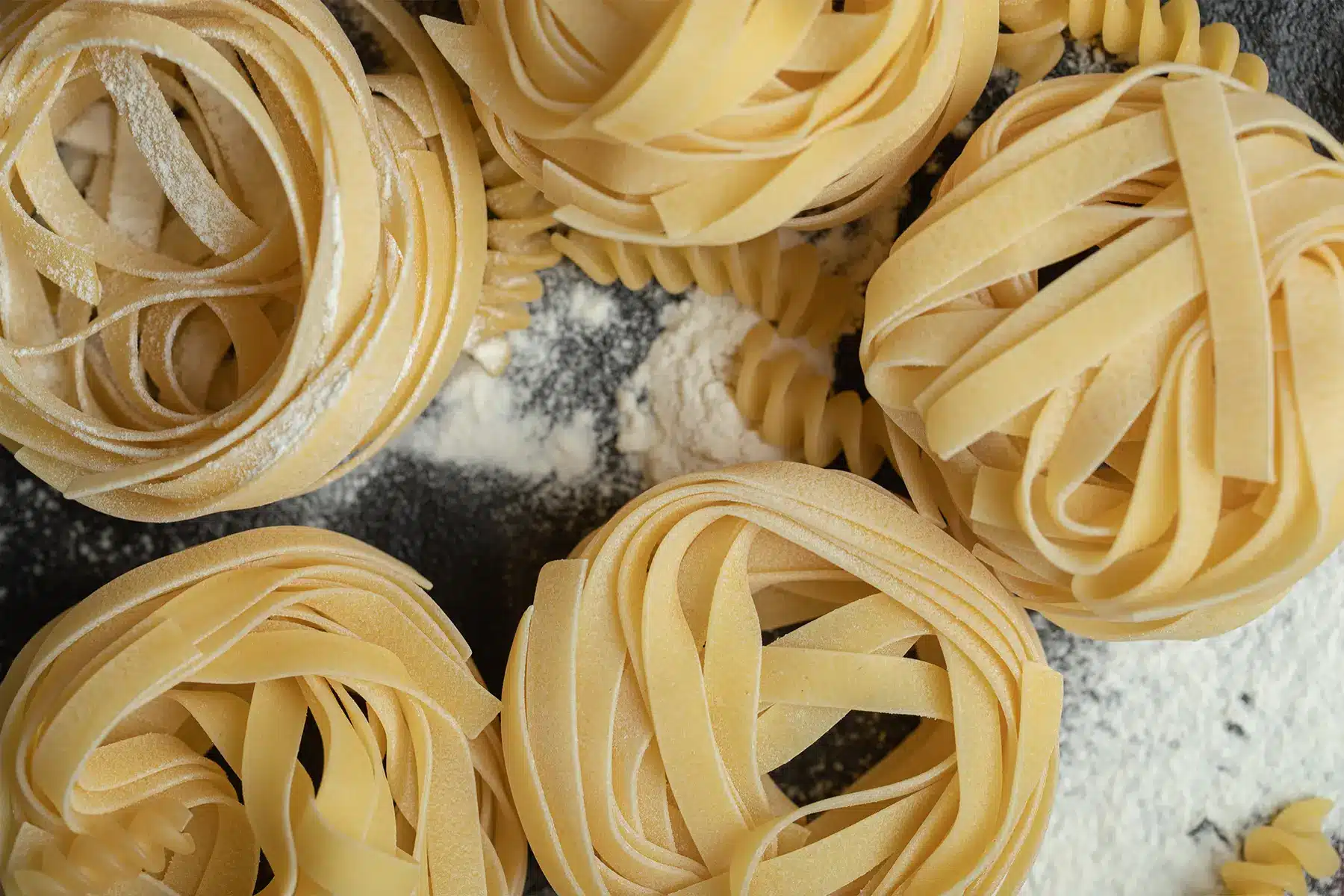
Know what pasta, bread and certain baked goods all have in common? The flour used is not the same, mainly because not all wheat flours behave the same way. One variety that consistently stands out for its structure, flavour and performance is durum wheat flour. Known for its golden colour and firm texture, this flour plays a pivotal role in many classic European and Mediterranean recipes – particularly in the making of an all-time favourite pasta.
However, despite its popularity, many people are unsure about what exactly makes durum flour different from regular wheat flour, when to use it, and how to get the best results in the kitchen. This practical guide is created to break down the uses, benefits and practical tips for working with durum wheat flour, in turn helping you understand why it remains a staple in professional and artisanal cooking.
What Is Durum Wheat Flour?
As its name suggests,durum wheat flour is milled from durum wheat, one of the hardest varieties of wheat that are grown. The word “durum” comes from the Latin for “durus”, meaning hard; an indication for how this wheat behaves during the processes of milling and cooking.
Compared to common wheat, durum wheat flour has:
- Has a higher protein content
- Produces a coarser flour texture
- Contains strong gluten that is less elastic but more resilient
These characteristics give durum wheat flour its distinctive performance, particularly in the process of pasta-making, where firmness and shape retention are essential in dough.
Durum flour is often associated with semolina, though the two are not entirely identical. Semolina, to differentiate, is typically a coarser grind of the durum wheat grain, whereas durum wheat flour is more finely milled.
Why Durum Wheat Flour Is Different from Regular Wheat Flour
In order to understand why durum flour is used for specific applications and recipes, it further helps to compare it with regular wheat flour.
Regular wheat flour:
- Produces more elastic, stretchy dough
- Is ideal for making bread and cakes
- Creates a much softer crumb
Durum wheat flour:
- Produces dough that is more firm and less elastic
- Holds its shape well during cooking
- Delivers a slightly nutty, wheaty flavour
This is why durum wheat flour pasta remains firm even after boiling, rather than turning soft or mushy. The gluten structure in durum wheat provides strength without excessive stretch, making it uniquely suited for particular recipes.
Durum Wheat Flour Pasta: Why It’s the Gold Standard
One of the most renowned uses of durum wheat flour is pasta. In fact, most Italian pasta is, traditionally, almost exclusively made from durum wheat flour.
Durum wheat flour pasta is valued because it:
- Retains its shape during long cooking processes
- Has a firmer, “al dente” bite
- Absorbs sauces without getting soggy
- Maintains a more consistent texture
The high protein and strong gluten network of durum flour allow pasta dough to be rolled, shaped and dried, all without cracking. When cooked, it withstands boiling water far better than pasta made from other, softer flour varieties.
This performance is why durum wheat flour remains the preferred choice for both fresh and dried pasta across professional kitchens.
Common Uses of Durum Wheat Flour
While pasta is the most famous application, durum wheat flour is used in several other recipes as well.
1. Pasta and Noodles
The firmness of durum flour benefits many forms of fresh pasta, dried pasta, and specialty noodles.
2. Flatbreads
Certain flatbreads, particularly those favoured in Mediterranean and Middle Eastern cuisines, use durum flour for retaining structure and flavour.
3. Bread (in Blends)
Durum wheat flour is sometimes blended with other flours to add flavour and colour to bread, especially rustic loaves.
4. Couscous and Traditional Dishes
Durum wheat is commonly used in couscous and regional European recipes that rely on grain structure.
Although it’s not typically used on its own for soft cakes or pastries, durum flour excels where strength and bite are required and is, at times, used as a blending/balancing agent.
Benefits of Using Durum Wheat Flour
The reasons why chefs and bakers choose durum wheat flour over other options are many.
Strong Structure
Durum flour creates dough that holds its form well, making it ideal for shaped products like pasta and certain breads.
Distinct Flavour
It has a slightly nutty, robust wheat flavour that adds depth to savoury recipes.
Consistent Cooking Results
Especially in pasta, durum wheat flour pasta cooks evenly and predictably, which is essential in professional kitchens.
Visual Appeal
Durum wheat flour often has a natural golden hue, giving pasta and baked goods a rich, appetising appearance.
Baking with Durum Flour: What to Expect
Baking with durum flour requires a slightly different approach compared to softer wheat flours.
Because durum wheat flour:
- Absorbs water differently
- Produces less elastic dough
- Develops strong but firm gluten
Simply put, it’s best used with intention.
When baking with durum wheat flour:
- Expect firmer doughs than usual
- Allow any extra resting time needed for hydration
- Avoid over-kneading, which can make the dough tough
Durum flour works particularly well in combination with other flours, where it adds strength and flavour without compromising texture.
Tips for Working with Durum Wheat Flour
To extract the best possible results from durum wheat flour, keep these quick tips in mind:
- Hydrate gradually: Durum flour absorbs water more slowly
- Rest your dough: This allows the flour to fully hydrate and relax
- Use blends when baking: Combine with softer flours for bread or flatbreads
- Don’t expect stretch: Durum dough resists stretching compared to bread flour
For pasta, firm dough is an advantage, but for bread, blending is often the best solution.
Quality and Milling Matter
Not all durum flour performs the same way. Wheat quality, milling precision and food safety standards all affect how flour behaves in real kitchens.
European milling traditions, highlighted by initiatives such as Pure Flour from Europe, emphasise careful wheat selection, consistency and strict quality control. Led by the Italian Milling Industry Association and co-funded by the European Union, the programme showcases how European durum wheat flours meet high standards of traceability and performance.
This consistency is particularly important for chefs and bakers working with pasta and structured doughs, where small variations in flour quality can affect final results.
Is Durum Wheat Flour Right for You?
Choose durum wheat flour if:
- You’re making fresh or dried pasta
- You want firm, structured dough
- You’re working on traditional European or Mediterranean recipes
Avoid using it alone if:
- You’re baking soft cakes or pastries
- You need highly elastic dough
Understanding when and how to use durum flour makes a noticeable difference in both texture and flavour.
Final Thoughts: A Flour with Purpose
Durum wheat flour isn’t an all-purpose ingredient – and that’s exactly its strength. Designed for structure, bite and durability, it excels in applications like pasta and firm doughs where performance matters.
From classic durum wheat flour pasta to traditional flatbreads and blended breads, this flour continues to play a vital role in professional and home kitchens alike. When used correctly, durum flour delivers consistency, character and confidence – all qualities that define great cooking