
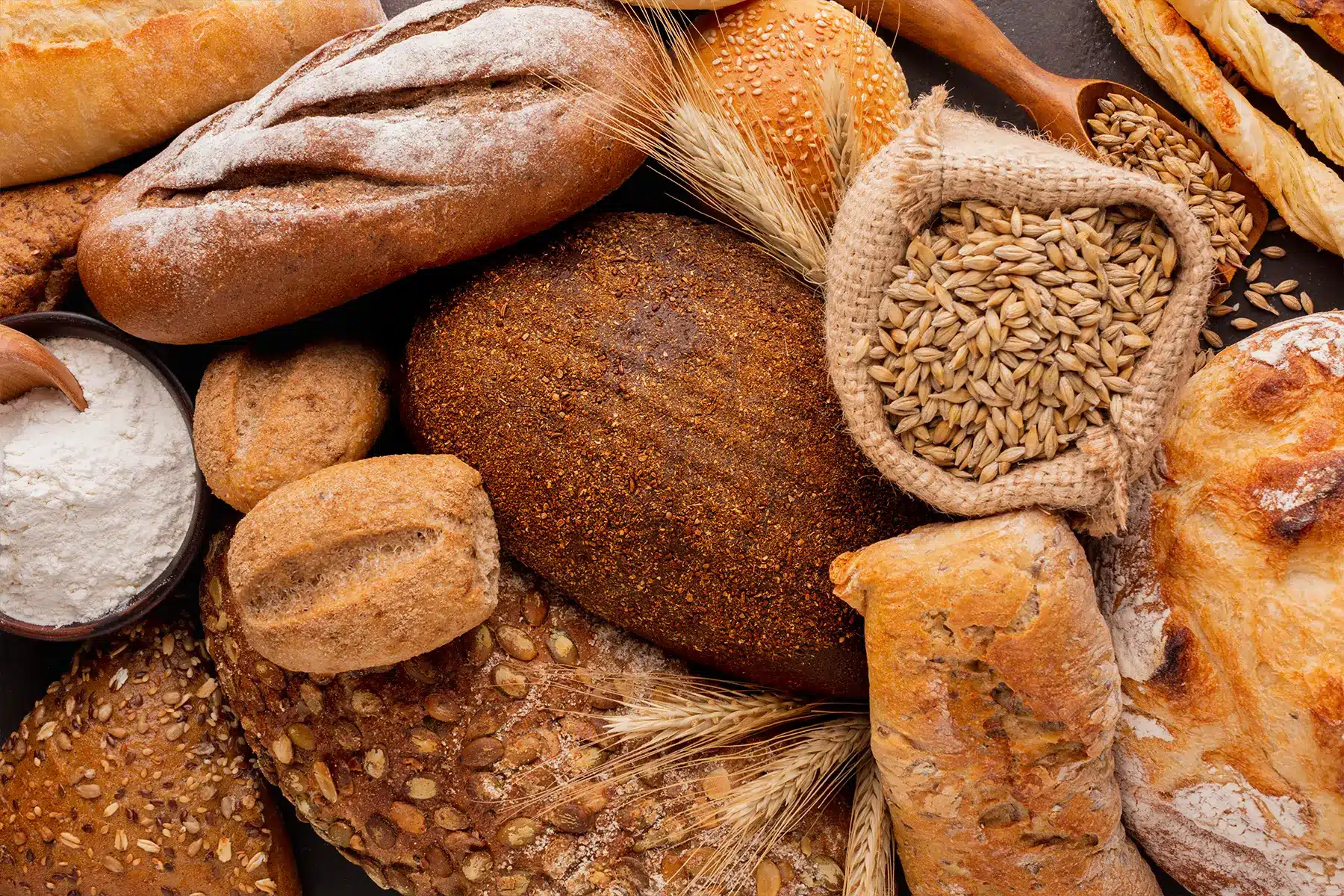
The art of baking, be it dabbling with focaccia or giving baguettes a shot, has evolved rapidly in India over the past decade. From artisanal sourdough bakeries to premium café menus, there is growing attention on the ingredients that go in, especially flour. Whether it concerns professionals or home bakers, one question that is bound to come up: Is imported bread flour really better?
When it comes to European, or specifically, Italian bread flours, the answer often lies not in the brand that produced it but in the selection process for wheat, protein consistency and milling process standards. Understanding precisely what makes imported Italian flour different can help bakers make informed decisions about the texture, rise and flavour for their bread.
For all the bakers out there, let’s break down what truly sets it apart.
The Foundation: Wheat Quality
At its very inception, bread flour performance begins right at the farm level. Italian and European bread flours are usually milled from diligently selected varieties of wheat, typically chosen for their stable protein content and strong gluten potential.
High-quality Italian bread flour is often produced using wheat grains grown under regulated agricultural standards. This ensures predictable protein levels, usually in the 12-14% range, which are essential for:
- Strong gluten formation
- Proper fermentation
- Excellent oven spring
- Chewy yet balanced crumb
Maintaining consistency at the wheat level itself reduces batch-to-batch variation, something that is absolutely crucial when it comes to commercial baking.
Protein Structure and Gluten Strength
The primary reason why many bakers prefer imported bread flour is its reliable gluten strength. When it comes to baking bread, the protein content of a flour type isn’t enough; the quality of gluten also matters.
Doughs made from high-protein bread flour should ideally:
- Stretch without tearing
- Hold gas during fermentation
- Maintain shape during baking
In artisan baking, especially when making sourdough, the dough undergoes a fairly long fermentation process. Flour that cannot maintain gluten integrity during extended proofing periods leads to a collapse or weak structure.
Premium quality European bread flour is valued because it performs consistently under these demanding conditions.
Milling Precision Makes a Difference
Beyond wheat selection, milling technology plays a crucial role. Italian mills combine traditional expertise with advanced processing systems that produce uniform particle size and controlled refinement.
Uniform milling ensures:
- Even hydration
- Predictable absorption
- Balanced crumb texture
This is one reason premium bread flour from established European mills is often favoured by professional bakeries.
Initiatives such as Pure Flour from Europe, under the leadership of the Italian Milling Industry Association, highlight how European regulatory frameworks support traceability, hygiene and protein control standards. These structured systems contribute to the consistent performance that bakers look for in imported Italian flour.
Superior Fermentation Performance
Artisan bread depends heavily on fermentation. Whether using commercial yeast or natural sourdough starters, dough must expand gradually while retaining structure.
High-quality Italian bread flour performs well in:
- Long cold fermentation
- High hydration doughs
- Extended proofing cycles
The elasticity and strength of imported flour allow bakers to experiment confidently with hydration levels and fermentation times.
For sourdough in particular, strong gluten networks prevent spreading and encourage an open, airy crumb.
Texture and Crumb Quality
The difference becomes most visible once the loaf is cut open.
Bread made with strong, well-milled flour often has:
- Better oven spring
- More defined air pockets
- Balanced chew
- Even crust development
While local flours can certainly produce good bread, imported bread flour is often chosen when consistency and high-volume output are priorities.
In artisan cafés and boutique bakeries, crumb structure is not just about taste; it’s part of presentation and brand identity.
Hydration Control and Absorption
Protein quality affects water absorption. High protein bread flour absorbs more water, which:
- Improves crumb softness
- Extends shelf life
- Enhances fermentation control
This is particularly important in climates with variable humidity, where flour stability becomes critical.
Professional bakers often prefer imported Italian flour because its absorption characteristics are predictable and documented.
Is Imported Bread Flour Always Necessary?
For everyday home baking, high-quality local flour may work perfectly well. However, when precision matters, such as when making sourdough, high-hydration artisanal loaves, commercial production or premium menu offerings, consistency becomes more important than convenience.
That’s exactly where imported Italian flour often stands out.
Italian Bread Flour vs Standard Bread Flour
The comparison between using standard bread flour and Italian bread flour often comes down to:
- Protein consistency
- Milling refinement
- Fermentation tolerance
- Regulatory quality standards
While both can technically produce bread, the reliability of European bread flour appeals to professional chefs who absolutely cannot afford unpredictable outcomes.
The Role of Regulation and Traceability
European flour production operates under strict food safety and traceability standards. From grain sourcing to packaging, regulatory frameworks ensure that flour meets defined quality benchmarks.
This emphasis on transparency and quality control is one of the less visible but highly valued aspects of premium bread flour from Italy and Europe.
For commercial kitchens, knowing exactly how flour behaves reduces operational risk.
So, What Makes Italian Bread Flour Superior?
Finally, what truly makes imported bread flour superior?
It’s not simply the label, it’s the perfect combination of:
- Carefully selected wheat varieties
- Stable protein content
- Advanced milling precision
- Strong fermentation performance
- Regulatory quality standards
Whether you are a professional baker or a baking enthusiast, these factors usually translate into a better rise, stronger dough handling and more consistent results. While flour alone does not guarantee great bread, it is the cornerstone for your recipe and starting with high-quality Italian bread flour gives bakers a reliable foundation to build upon.