
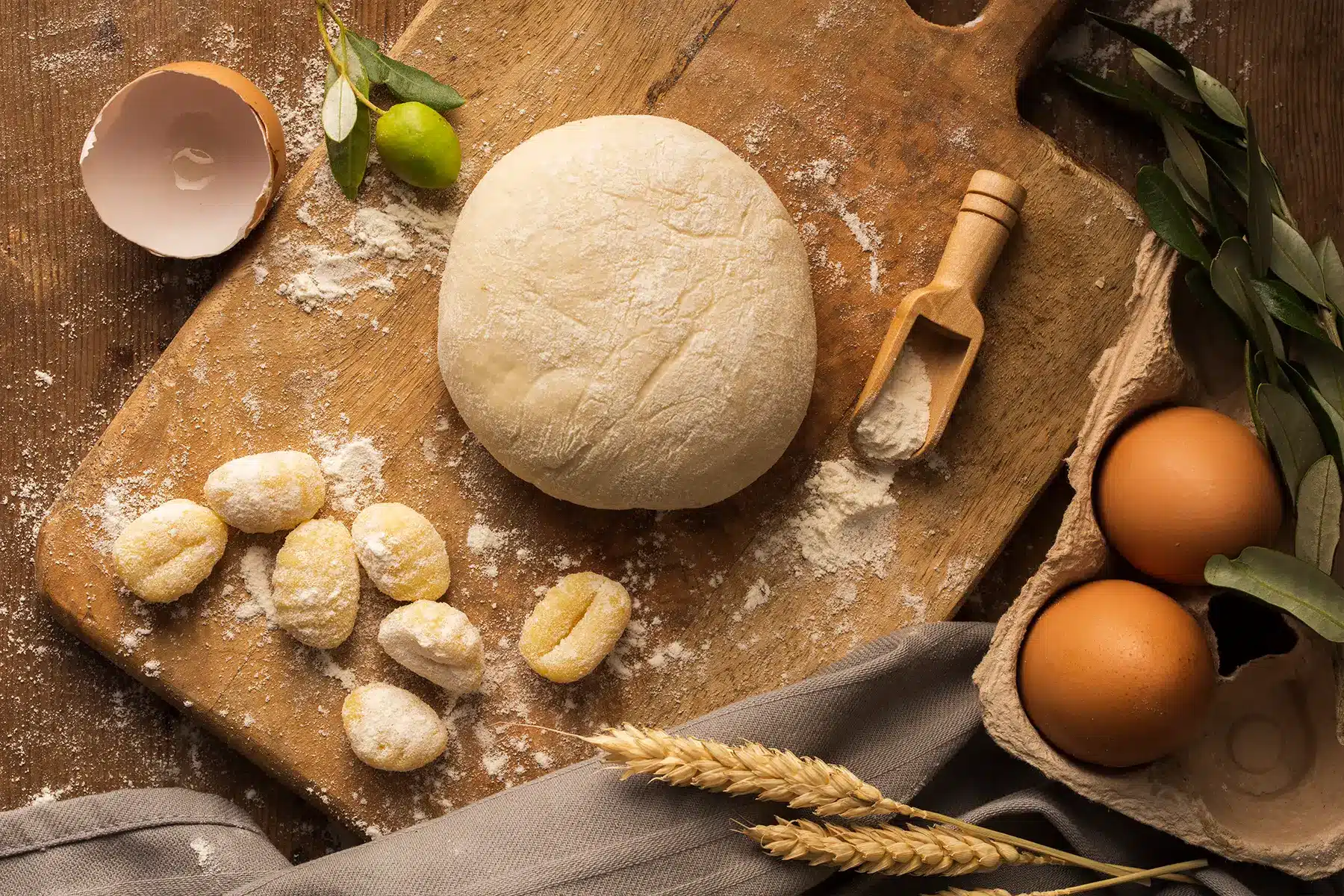
Italian cuisine is deeply rooted in tradition, and nowhere is this more evident than in pasta-making. While many people focus on sauces or shaping techniques, the true foundation of great pasta lies in the flour. Understanding the different Italian pasta flour types is essential for achieving the right texture, elasticity and flavour.
If you’ve ever wondered what is Italian pasta flour, or which Italian flour for pasta produces the best results, this guide breaks down the most important types and explains when to use each one.
Why Flour Choice Matters in Pasta
Unlike cakes or quick breads, pasta relies heavily on gluten structure. The flour must provide enough strength to:
- Form smooth, workable dough
- Hold shape when rolled or extruded
- Maintain firmness during boiling
Different flours produce different textures. Some create silky fresh pasta sheets, while others produce firm, “al dente” dried pasta.
That’s why understanding Italian pasta flour types isn’t just helpful, it’s essential. Here are some of the major Italian pasta flour types listed below:
Semolina (Semola di Grano Duro)
One of the most well-known flours used in Italian pasta is semolina, milled from durum wheat.
Semolina is:
- Coarsely ground
- High in protein
- Golden in colour
- Strong in gluten structure
This type of Italian flour for pasta is commonly used for dried pasta. Its strength allows pasta to retain shape and firmness even after boiling.
Semolina produces a slightly rough texture, which helps sauces cling beautifully to the pasta surface.
Semola Rimacinata (Re-milled Semolina)
A finer version of semolina, semola rimacinata is milled more finely while still using durum wheat.
It offers:
- Smoother texture
- Strong gluten
- Easier dough handling
This flour bridges the gap between coarse semolina and finer pasta flours. Many traditional Italian bakers use it for both pasta and bread.
When exploring Italian pasta flour types, semola rimacinata is often considered a versatile option for homemade pasta.
Tipo 00 Flour
Perhaps the most famous Italian flour type, Tipo 00 refers to the fineness of the milling process rather than protein level alone.
Tipo 00 flour is:
- Very finely milled
- Soft and powdery
- Smooth in texture
When asking what is Italian pasta flour, many people immediately think of 00 flour. It is widely used for fresh pasta, especially egg-based pasta.
Unlike semolina, 00 flour produces a softer, silkier dough. It’s ideal for delicate pasta sheets like tagliatelle or ravioli.
However, not all 00 flours are the same, protein content can vary depending on intended use (pizza, pastry or pasta).
All-Purpose Italian Wheat Flour
Some fresh pasta recipes, especially home-style versions, use refined wheat flour similar to all-purpose flour.
While not always labelled specifically as pasta flour, it can work well for:
- Egg pasta
- Fresh filled pasta
- Short cooking-time dishes
However, compared to traditional Italian flour for pasta made from durum wheat, refined wheat flour produces softer results and less bite.
Durum Wheat Flour
Durum wheat flour is a finely milled version of durum wheat, different from coarse semolina.
It is:
- High in protein
- Fine in texture
- Strong yet smooth
Durum wheat flour is often blended with 00 flour to balance elasticity and tenderness. In professional kitchens, this blend helps create dough that is both easy to roll and structurally sound.
Understanding the difference between semolina and durum wheat flour is important when navigating Italian pasta flour types.
Fresh Pasta vs Dried Pasta: Choosing the Right Flour
Flour selection depends largely on the type of pasta you’re making.
For Fresh Pasta
Fresh pasta, especially egg-based varieties, benefits from finely milled flour such as Tipo 00. It creates:
- Silky texture
- Smooth dough
- Tender bite
For Dried Pasta
Dried pasta is traditionally made from semolina. The coarse grind and high protein help it:
- Maintain structure
- Resist overcooking
- Deliver firm texture
This distinction is crucial when deciding which Italian flour for pasta suits your recipe.
Why Protein Content Matters
Protein determines gluten formation, which affects elasticity and strength.
Higher protein flours (like semolina and durum wheat flour) produce:
- Firmer dough
- Stronger structure
- Better resistance to boiling
Lower protein flours (like some 00 varieties) produce:
- Softer dough
- More delicate texture
- Easier rolling
Understanding this balance helps answer the common question: what is Italian pasta flour best suited for?
The answer depends on whether you prioritise firmness or silkiness.
Milling Quality and Consistency
Beyond flour type, quality and milling precision influence performance. Consistent particle size and stable protein levels ensure predictable dough behaviour.
European milling traditions, including those promoted through Pure Flour from Europe under the guidance of Italian Milling Industry Association, emphasise traceability, wheat grading and controlled processing standards. This attention to detail supports consistent results in pasta production.
For professionals and serious home cooks, reliable flour quality makes shaping and cooking pasta far more predictable.
Common Mistakes When Choosing Pasta Flour
- Using low-protein flour for dried pasta
- Using coarse semolina for delicate fresh pasta
- Ignoring hydration adjustments based on flour type
Each Italian pasta flour type absorbs water differently, so small adjustments may be necessary when switching flours.
Quick Reference Guide
Here’s a simplified breakdown of Italian pasta flour types:
- Semolina is best for dried pasta (like farfalle, penne, spaghetti)
- Semola rimacinata is versatile and can be used for pasta and bread
- Tipo 00 is ideal for making fresh egg pasta (like ravioli, fettuccine)
- Durum wheat flour is the ideal candidate for strong, fine-textured pasta flou
Choosing the right one depends on texture preference and cooking method.
Why Understanding Italian Pasta Flour Types is Beneficial
Understanding Italian pasta flour types helps transform pasta-making from guesswork into skill. Whether you’re working with semolina for traditional dried pasta or exploring 00 flour for fresh sheets, each flour offers unique advantages.In conclusion, if you’ve been wondering what is Italian pasta flour, the answer isn’t a single product per se – it’s a whole category shaped by the milling style, protein content and its intended use. As a home cook or chef, the right Italian flour for pasta more often than not ensures better texture, stronger structure and more authentic results in your kitchen.