
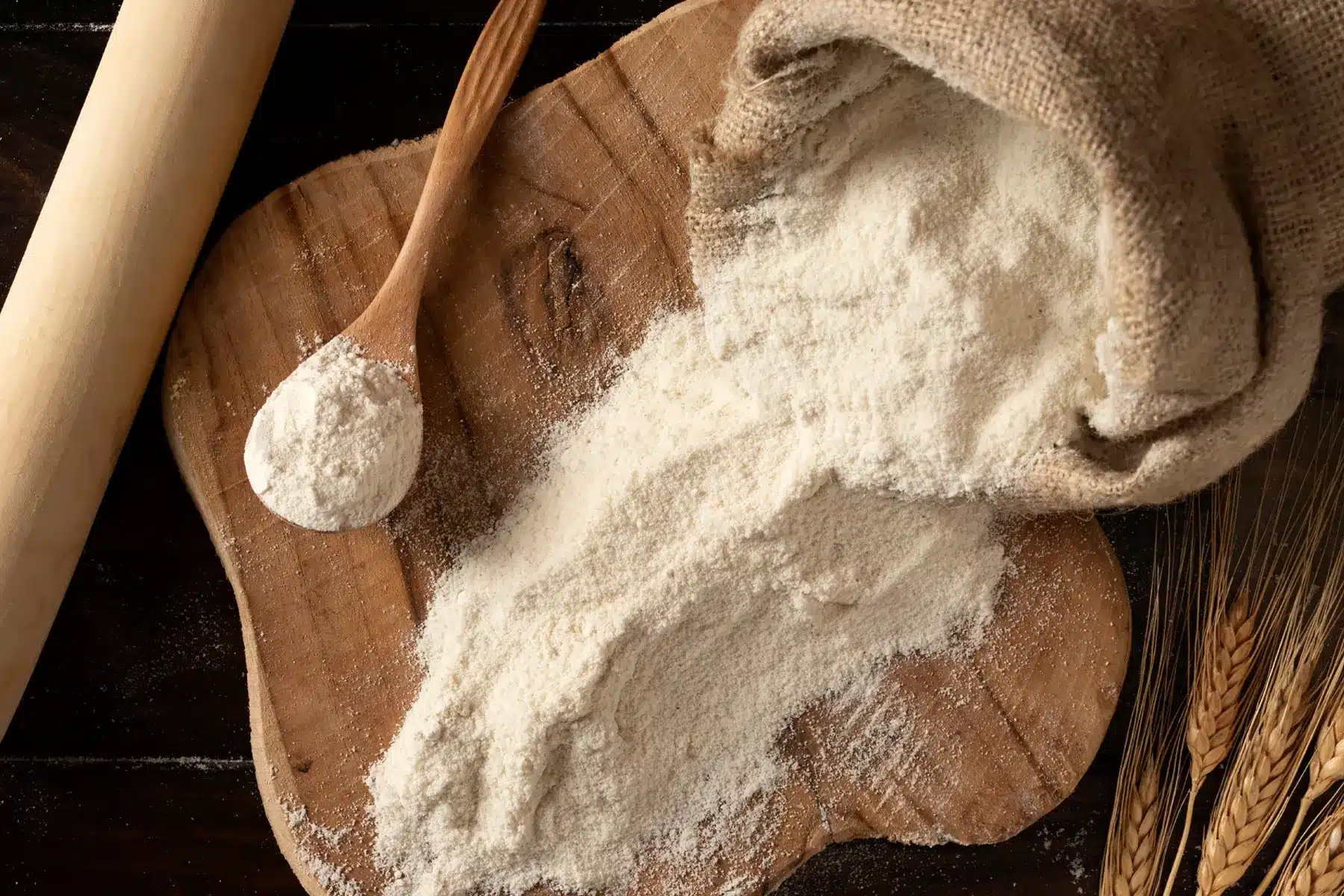
Pizza, bread, pasta and pastries, some of the world’s most loved foods, all have one vital thing in common – Italian flour. Among the many Italian flour varieties, Type 00 is often mentioned with a sense of reverence, especially when it comes to pizza and artisanal baking, since these are food items that rely as much on technique as they do on recipes. Yet, for many home cooks and chefs alike, understanding what makes this flour so special – and how it differs from other Italian flours – can feel confusing.
If you are one of them, his simple, practical guide is for you. Let’s break down various Italian flour type classifications, explain what Type 00 actually means, and explore how different Italian flours are used for pizza, bread and baking. Whether you’re experimenting with cooking at home or working in a professional kitchen, understanding flour is the first step to better results.
What Exactly Does “Type 00” Mean in Italian Flour?
In Italy, flour is usually classified by how finely the wheat is milled and how much of the wheat grain remains after processing. Unlike systems that focus mainly on protein content, flour in Italian classification uses numbers – 00, 0, 1, 2 – to indicate the level of refinement.
Type 00 flour is the most finely milled of all flours. It has:
- A very soft, powdery texture
- Minimal bran and germ during milling
- A light colour, compared to whole wheat flour
- Excellent levels for hydration and extensibility
This ultra-fine texture is why Type 00 flour is so widely associated with Italian pizza flour and for making delicate doughs. It allows the dough to stretch easily, without tearing, making it ideal for high-heat baking and hand-shaped recipes.
Italian Flour for Pizza: Why Type 00 Is a Favourite
When people talk about making authentic ‘Italian’ pizza, they’re often really talking about the flour. Italian flour for pizza, especially Type 00, is prized for how it behaves during fermentation and baking.
What makes it stand out? Pizza dough made with Italian pizza flour:
- Absorbs water more evenly
- Develops gluten that is more elastic, not tough
- Stretches quite thin without snapping back
- Bakes that require a crisp exterior and soft interior
This balance brought by Type 00 flour is particularly important for Neapolitan-style pizza, where the centre remains light and tender while the crust puffs and chars in the intense heat of the oven. That said, not all Italian flour for pizza is identical – their protein levels can vary depending on the wheat blend used in milling, making some flours much better suited for longer fermentation or specific oven temperatures.
Understanding Different Italian Flour Types
While Type 00 flour is the most talked about, it’s only one part of a broader system. Understanding various Italian flour types helps you choose the right flour for the right recipe.
Type 0 Flour
Slightly less refined than 00, Type 0 flour has a bit more structure and strength. It’s often used for:
- Pizza crusts with longer fermentation
- Bread types with a more defined crumb
Some bakers also prefer blending Type 0 with Type 00 to balance softness and strength.
Type 1 and Type 2 Flours
These flours retain more of the wheat grain, offering:
- More flavour (nutty taste)
- Slightly coarser texture
- A higher nutritional value
They’re more often used in rustic breads rather than making pizza.
Whole Wheat Italian Flour
Whole wheat flour versions include the entire grain in the milling process and are best-suited for making hearty breads rather than delicate doughs.
Italian Bread Flour: How It Differs from Pizza Flour
While pizza often takes the spotlight, Italian bread flour plays an equally important role in European baking. Flours used for baking bread typically have higher protein content than pizza flours, helping the dough hold structure during longer fermentation and baking.
Italian bread flour is commonly used for:
- Ciabatta bread
- Focaccia bread
- Country-style loaves
Compared to Italian pizza flour, bread flour produces dough that is stronger and more resilient, making it much better suited for shaping and extended proofing. Choosing and distinguishing between the two depends on whether your priority is extensibility (pizza) or structure (bread).
Italian Chestnut Flour: A Traditional Alternative
Among the more traditional Italian flours, Italian chestnut flour stands out as a speciality ingredient. Milled from dried chestnuts rather than wheat, it has a naturally sweet, nutty flavour.
Italian chestnut flour is commonly used for:
- Making cakes and pancakes
- Many flatbreads
- Traditional regional desserts
Because it contains no gluten, it is usually blended with wheat flour or used in recipes that are designed specifically for its unique properties. While it is not a substitute for Italian pizza flour or Italian bread flour, it is a reflection of the diversity of flour traditions across Italy.
Why Milling Quality Matters
Not all flours are defined only by their type. The quality of the wheat grain, milling techniques and food safety standards are all influential factors on how flour performs in real kitchens. Europe’s milling traditions, highlighted by initiatives such as Pure Flour from Europe, emphasise consistency, traceability and strict quality control. Led by the Italian Milling Industry Association and co-funded by the European Union, the programme focuses on how carefully milled European flours support predictable results, a deciding factor for both professional bakers and home cooks.
Choosing the Right Italian Flour for Your Needs
Still confused? Here’s a simple guide:
- Choose Italian pizza flour (Type 00) for making soft, elastic pizza dough
- Choose Italian bread flour for baking structured, fermented breads
- Explore Italian flour type 0 or blends for hybrid cooking and baking uses
- Use Italian chestnut flour for speciality and traditional recipes
Understanding flour in Italian cooking recipes isn’t about chasing authenticity for its own sake – it’s about ensuring you match the flour to the technique.
Tips for Using Italian Flour at Home
- Measure accurately: Finely milled flours can pack easily
- Hydrate gradually: Italian flours absorb water differently from others
- Allow enough resting time: Doughs relax and become easier to shape
- Bake hot: Especially for a pizza, heat is key
Making these small adjustments ensures you see a noticeable difference when working with Italian pizza flour or Italian bread flour.
Final Thoughts: Simplicity Starts with Flour
Italian Type 00 flour isn’t mysterious or an enigma – it’s simply a very finely milled wheat flour designed to perform exceptionally well in specific recipes. Once you properly understand how Italian flour type classifications work, choosing the right flour becomes intuitive rather than intimidating. From pizza and bread to traditional specialities like chestnut-based bakes, Italian flour reflects centuries of milling expertise and traditional culinary precision. And when flour is chosen thoughtfully, the rest of the recipe falls into place far, far more easily.