
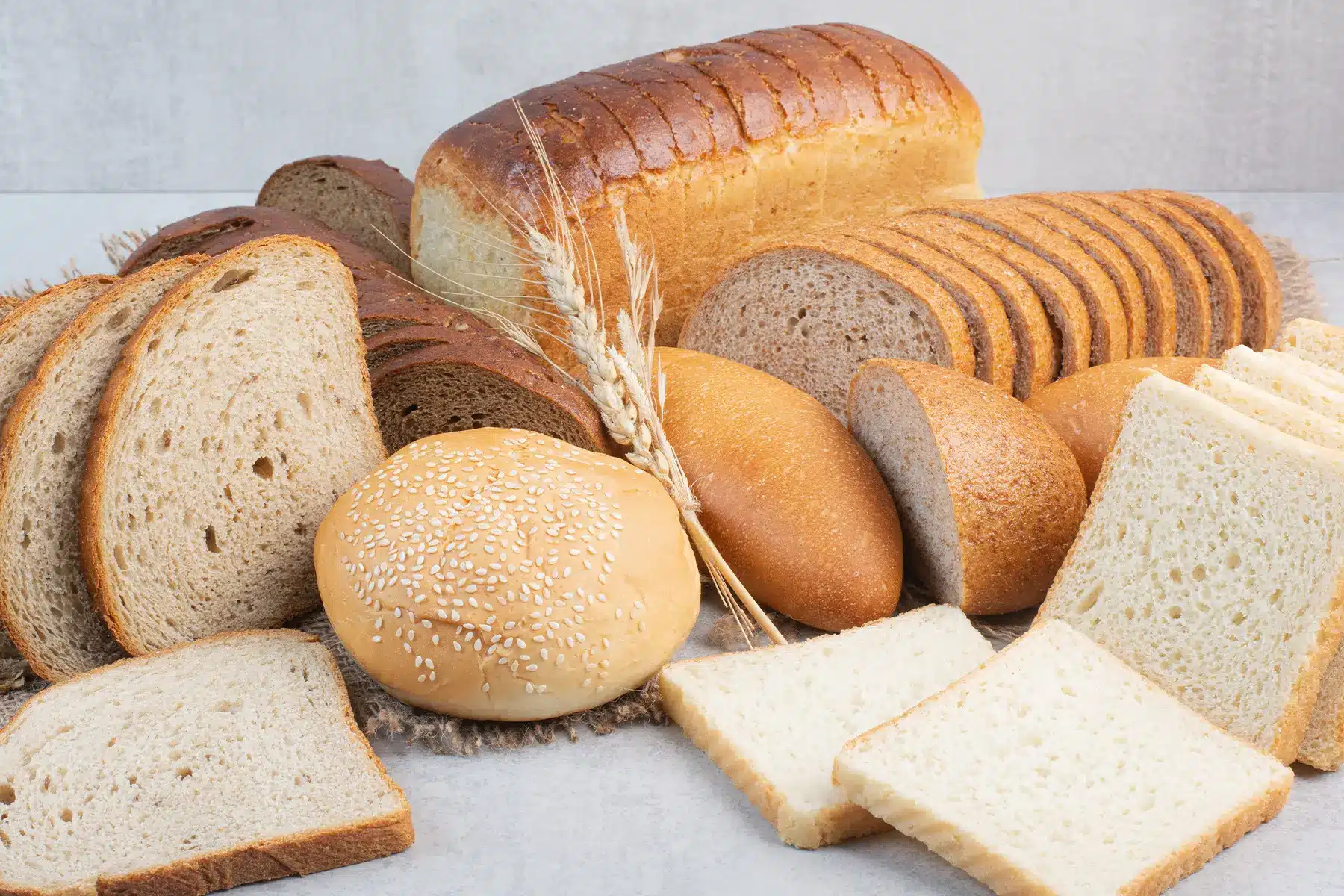
Planning to bake a rustic loaf or a simple cake? Well, irrespective of the recipe, choosing the right flour can be the key difference between a satisfying result and a disappointing one. Two of the most commonly compared flours in kitchens – both professional and at home – are bread flour and all-purpose flour. While at first glance, both may look similar, understanding the difference between bread flour and all-purpose flour unlocks better texture, rise and overall performance across your bakes.
This guide breaks down how these two flours differ, why they behave the way they do, and when to use each, plus a quick comparison with cake flour so you know exactly what’s happening when you bake.
What Is All-Purpose Flour?
As the name suggests, all-purpose flour is designed to be versatile. It’s made by milling wheat grains while maintaining a moderate protein level, which gives it better balance: possessing enough structure for everyday baking and enough tenderness for softer bakes.
All-purpose flour is widely used for making:
- Pancakes
- Cookies
- Muffins
- Quick breads
- Some basic loaves
When deciding between bread flour vs all purpose flour, all-purpose flour is the go-to choice when a recipe doesn’t require extensive gluten development or a chewy texture.
What Is Bread Flour?
Bread flour is specifically milled for yielding yeast-based doughs. It has a higher protein content – usually around 12-14%, which leads to a much stronger gluten formation during the processes of mixing and kneading.
Bread flour is ideal for:
- Sandwich loaves
- Artisan artisan bread
- Baguettes
- Rolls
- Pizza dough (when structure is key)
This higher protein level is the key factor in determining the difference between bread flour and all-purpose flour. More protein means more gluten, and more gluten means dough with stronger elasticity and better gas retention, which translates into a better rise and a chewier crumb.
Bread Flour vs All-Purpose Flour: What’s the Real Difference?
Here’s how the two flour types compare when pitted head-to-head:
| Feature | Bread Flour | All-Purpose Flour |
| Protein Content | High | Moderate |
| Gluten Development | Strong | Moderate |
| Ideal For | Yeasted breads | Everyday baking |
| Texture Result | Chewy, structured | Soft, tender |
This table captures the very essence of the bread flour vs all purpose flour debate: each flour serves a purpose, and the best choice depends on one thing and one thing only, what you are set to make.
Why Protein Content Matters
Protein content in flour isn’t merely a number – it’s a functional ingredient. When mixed with water and kneaded properly, gluten strands form. These strands trap gas released by yeast formation or leavening, helping dough rise and maintain structure.
In bread baking, strong gluten networks are essential. That’s why professional bakers often prefer bread flour vs all-purpose flour; its higher protein gives the dough the strength to expand, without collapsing.
For baked goods with a softer texture, where tenderness is ranked above structure, all-purpose flour’s moderate protein content fares better.
This functional difference is at the heart of the difference between bread flour and all-purpose flour.
Bread Flour and Artisan Baking
In artisanal bread, whether it’s making a sourdough or a classic European loaf, the choice of flour influences everything from crust to crumb. Bread flour’s natural protein structure supports:
- Stronger rise for dough
- A bigger rise in the oven
- Chewier texture on bite
- More complex flavour development
Professional bakers often mill specific wheat varieties for their bread flours and use traditional techniques while upholding modern quality standards like those highlighted by Pure Flour from Europe, a programme launched in India under the charge of the Italian Milling Industry Association and co-sponsored by the European Union. These flours combine consistent protein behaviour with traceability and hygiene, giving bakeries reliable results each time.
All-Purpose Flour in Everyday Baking
When your recipe doesn’t rely on yeast or structure, that is where all-purpose flour shines. Its moderate protein content forms enough gluten for muffin rise or cookie spread without creating toughness.
Examples where all-purpose flour works well include:
- Quick bread loaves
- Biscuits & cookies
- Pancakes
- Light cakes or tea cakes
This also connects to a related comparison: cake flour vs. all-purpose flour. Cake flour has even lower protein than all-purpose, enabling extremely tender crumbs in delicate cakes and pastries. But when the question is simply bread flour vs. all-purpose flour, all-purpose flour occupies the middle ground between structure and tenderness.
When to Choose Bread Flour
Choose bread flour when:
- You’re working with yeast
- You want a chewy texture
- Dough needs to hold its shape
- You aim for artisan or sandwich breads
Professional chefs and bakers often rely on bread flour’s consistent protein to deliver repeatable results, particularly in high-volume or high-temperature environments.
When to Choose All-Purpose Flour
Choose all-purpose flour when:
- Your baking doesn’t require heavy gluten
- You’re making cookies, muffins, pancakes or simple cupcakes
- You’re in an experimenting phase and don’t want to stock multiple flours
All-purpose flour is often considered the “jack of all trades” when it comes to baking because of its adaptability across home and professional kitchens.
Can You Substitute All-Purpose for Bread Flour?
The short answer is yes – but with some adjustments. If you substitute all-purpose flour in a bread recipe that calls for bread flour, you may notice:
- Less rise in the loaf
- A slightly softer crust
- More tender crumb
For recipes where structure is essential, many home bakers add vital wheat gluten to their all-purpose flour to approximate and replicate the performance of bread flour.