
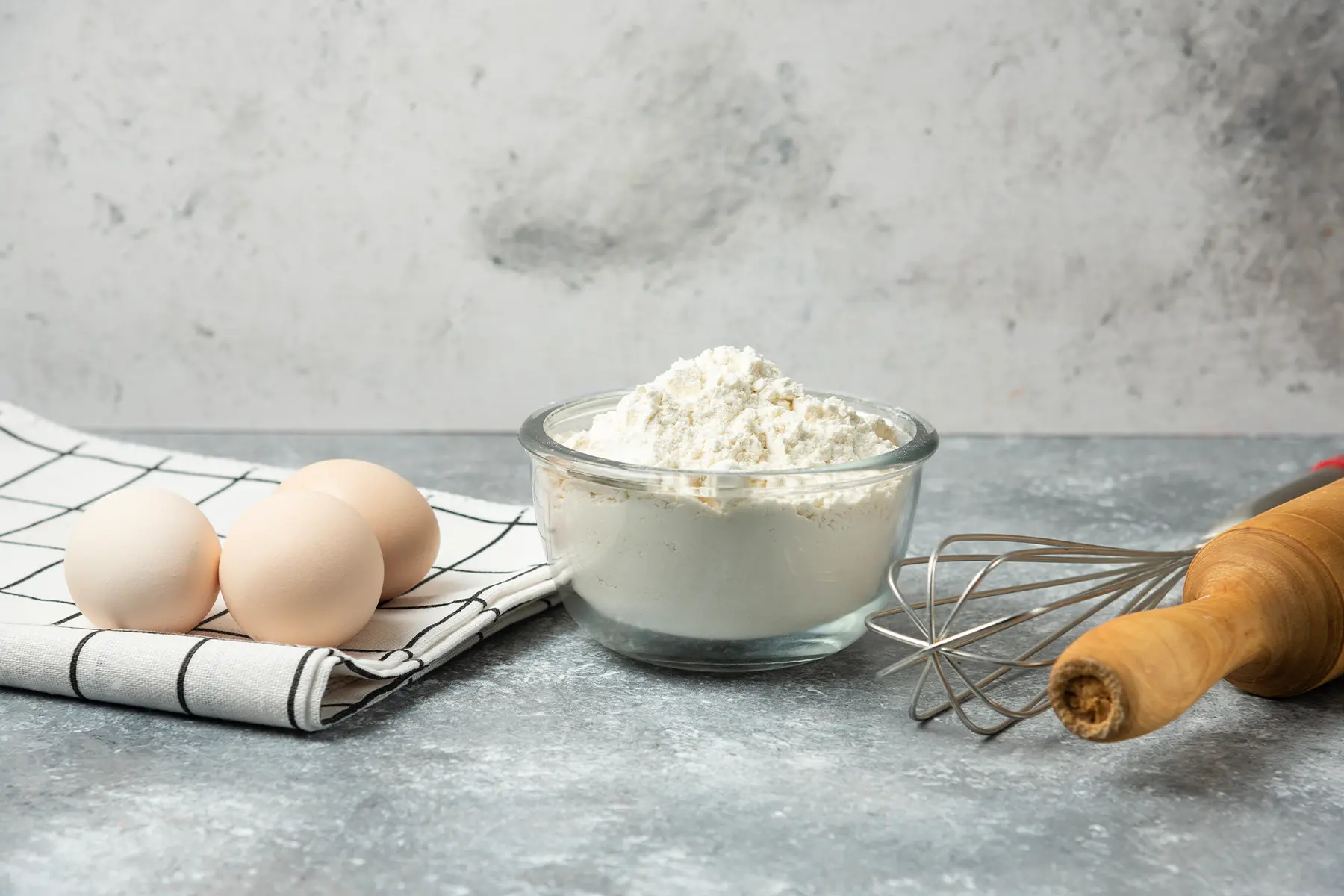
Few things in life are as satisfying as a perfectly baked cake, soft, fluffy, just the right amount of crumb, and full of flavour. But if you’ve ever ended up with a dense or dry bake, the culprit might not be your oven or technique. It could likely be the flour you chose. Knowing which flour is used in cake and why it matters is one of the most important baking insights you can have.
When it comes to cakes, flour isn’t just an ingredient; it’s the structural foundation. Understanding flour types, how their protein content affects texture, and which is the best flour for making cakes means you can troubleshoot with confidence and bake consistently delicious results every time.
Well, this guide breaks down everything you need to know – from flour basics to practical tips to help you bake better cakes, whether you’re a casual baker or you’re aspiring to go pro.
Why Flour Matters in Baking
Simply put, flour provides structure. When mixed with liquid, the proteins in flour form gluten, a network that traps air and steam during baking, giving sponge cakes their rise and texture. Too much gluten, however, can make a cake tough and chewy instead of soft.
So when bakers ask which flour is used in cake, the answer usually comes down to a balance: you want enough structure to hold your cake together, but not so much that it becomes dense. That’s why selecting the best flour for making cakes isn’t just about following a recipe; it’s also about understanding the flour’s role in the process.
All-Purpose Flour: The Go-To for Everyday Cakes
The most commonly used flour in baking is all-purpose flour. It sits in the middle of the protein spectrum, offering enough strength for structure without overwhelming softness to have it fall apart.
Why It Works
- Versatile and adaptable
- Suitable for most cake recipes
- Predictable results
For many home bakers, all-purpose flour is the answer to which flour is used in cake, especially for everyday favourites like vanilla sponge, chocolate cake or simple loaf cakes.
Cake Flour: Designed for Delicate Bakes
If you’re after the classic “melt-in-your-mouth” texture that some sponges have, cake flour is often considered the best flour for making cakes.
What Makes It Different
- Has lower protein content than all-purpose flour
- Extra fine milling process
- Often enriched with a little starch
These characteristics reduce overall gluten formation and make the crumbs softer and lighter, ideal for delicate bakes like chiffon cake, angel cake and multiple sponge layers.
Cake flour is especially useful when a recipe’s success rides on fluffiness over structure.
Pastry Flour: A Middle Ground
Pastry flour sits between cake flour and all-purpose flour in terms of protein content. It’s slightly stronger than cake flour, but still offers a tender crumb when baked.
Best Uses
- Pound cakes
- Coffee cakes
- Fruit cakes
Pastry flour is a good answer to which flour is used in cake when you want strength without toughness, perfect for denser, more moist cakes where a silky texture matters.
Whole Wheat and Other Alternative Flours
While traditional cakes traditionally rely on white flours, whole wheat and other speciality flours (like spelt) are gaining popularity for their flavour and nutrition.
Tips for Using Alternative Flours
- Substitute one-third or half of the white flour initially
- Add a bit more liquid than usual, as whole flours are more absorbent
- Expect a slightly denser crumb on your cakes
While these flours won’t always be the best flour for making cakes for every recipe, they’re great for rustic, wholesome bakes like carrot cake, banana loaf or whole wheat coffee cake.
Practical Tips for Choosing Flour to Make Cake
Now that you know which flour is used in cake, here are some practical, expert baking tips that make a real difference to the process:
1. Measure Flour Correctly
Use a kitchen scale wherever possible. Scoop-and-level methods can lead to too much flour, which makes your cakes dry and heavy.
2. Sift When Necessary
For cake flour and other fine flours, adding a step for sifting improves aeration and contributes to a lighter texture.
3. Don’t Overmix
Once wet and dry ingredients are combined, mixing them too much develops gluten, exactly what you wouldn’t want in a tender cake crumb.
4. Watch Oven Temperature
Ovens can vary, so use an oven thermometer if you have one. Maintaining the correct temperature helps the cake rise evenly and finish perfectly.
5. Know Your Recipe
Light, airy cakes like chiffon or sponge are best made with cake flour, while sturdier cakes (like fruit or pound cake) may do well with all-purpose or pastry flour.
These practical notes turn your understanding of which flour is used in cake into consistently better results in the kitchen.
When European Milled Flour Makes a Difference
It is wise to note that flour quality matters just as much as flour type. European milling traditions, highlighted by initiatives like Pure Flour from Europe, focus on consistent milling, wheat selection and powder texture – all of which can affect the cake’s outcome.
European-milled flours often:
- Absorb liquids predictably
- Create consistent gluten profiles
- Yield uniform crumb in baked goods
So when you’re choosing the best flour for making cakes, consider both type and quality, especially for precision bakes like layered sponges and chiffon cakes.
Substituting Flour Types: What You Need to Know
Sometimes recipes call for cake flour, but you only have all-purpose flour? Here’s a quick rule you can follow:
Make your own cake flour substitute:
- For every cup of cake flour needed, measure 1 cup all-purpose flour
- Remove 2 tablespoons of all-purpose flour
- Add 2 tablespoons of cornstarch
- Sift together 2–3 times before use
This mimics the lower protein and finer texture of cake flour, giving you similar results without requiring a special purchase.
Flour Storage Tips for Better Baking
At times, even the best flour-making cakes can go flat if stored incorrectly. To preserve freshness:
- Store flour in an airtight container
- Keep it away from all heat and moisture
- Use whole grain/atta sooner, as natural oils can go rancid
Well-stored flour contributes to optimum flavour, texture and consistency – all crucial when your goal is baking delicious cakes.
Summary: Choose Wisely, Bake Confidently
So, finally, which flour is used in cake? There isn’t one single answer that fits every occasion, but there are guidelines that make your choice smarter:
- Cake flour for softer, lighter, more delicate textures
- All-purpose flour for reliable, everyday cakes
- Pastry flour when you want tender but slightly structured crumbs
- Whole wheat or speciality flours for richer flavour and nutrition
Understanding these key differences – and applying some practical tips – gives you more control over your results, allowing you to consistently bake delicious, perfect cakes.
1. Measure Flour Correctly
Use a kitchen scale wherever possible. Scoop-and-level methods can lead to too much flour, which makes your cakes dry and heavy.
2. Sift When Necessary
For cake flour and other fine flours, adding a step for sifting improves aeration and contributes to a lighter texture.
3. Don’t Overmix
Once wet and dry ingredients are combined, mixing them too much develops gluten – exactly what you wouldn’t want in a tender cake crumb.
4. Watch Oven Temperature
Ovens can vary, so use an oven thermometer if you have one. Maintaining the correct temperature helps the cake rise evenly and finish perfectly.
5. Know Your Recipe
Light, airy cakes like chiffon or sponge are best made with cake flour, while sturdier cakes (like fruit or pound cake) may do well with all-purpose or pastry flour.
These practical notes turn your understanding of which flour is used in cake into consistently better results in the kitchen.
When European Milled Flour Makes a Difference
It is wise to note that flour quality matters just as much as flour type. European milling traditions, highlighted by initiatives like Pure Flour from Europe, focus on consistent milling, wheat selection and powder texture, all of which can affect the cake’s outcome.
European-milled flours often:
- Absorb liquids predictably
- Create consistent gluten profiles
- Yield uniform crumb in baked goods
So when you’re choosing the best flour for making cakes, consider both type and quality, especially for precision bakes like layered sponges and chiffon cakes.
Substituting Flour Types: What You Need to Know
Sometimes recipes call for cake flour, but you only have all-purpose flour? Here’s a quick rule you can follow:
Make your own cake flour substitute:
- For every cup of cake flour needed, measure 1 cup all-purpose flour
- Remove 2 tablespoons of all-purpose flour
- Add 2 tablespoons of cornstarch
- Sift together 2–3 times before use
This mimics the lower protein and finer texture of cake flour, giving you similar results without requiring a special purchase.
Flour Storage Tips for Better Baking
At times, even the best flour-making cakes can go flat if stored incorrectly. To preserve freshness:
- Store flour in an airtight container
- Keep it away from all heat and moisture
- Use whole grain/atta sooner, as natural oils can go rancid
Well-stored flour contributes to optimum flavour, texture and consistency; all crucial when your goal is baking delicious cakes.
Summary: Choose Wisely, Bake Confidently
So, finally, which flour is used in cake? There isn’t one single answer that fits every occasion, but there are guidelines that make your choice smarter:
- Cake flour for softer, lighter, more delicate textures
- All-purpose flour for reliable, everyday cakes
- Pastry flour when you want tender but slightly structured crumbs
- Whole wheat or speciality flours for richer flavour and nutrition
Understanding these key differences – and applying some practical tips – gives you more control over your results, allowing you to consistently bake delicious, perfect cakes.